Need Help?
(+84)966031995

Patient:32 Dental Implants Prices Age:30 Time:2026-01-27 View:1209
People searching for 32 dental implants prices are usually not looking for a simple number. They already understand that full-mouth dental implants are complex, expensive, and irreversible. What they’re really trying to figure out is why prices vary so widely, what’s included (and what isn’t), and whether the quoted figure reflects a realistic treatment plan or a simplified marketing estimate.
In practice, “32 implants” is less a standard treatment and more a reference point. Very few patients actually receive 32 individual implants. The pricing discussion is really about full-mouth implant reconstruction, and understanding that distinction is critical before making any decisions.
This article breaks down how pricing works in real clinical settings, how dentists usually plan these cases, where costs accumulate, and where patients most often misunderstand what they’re paying for.
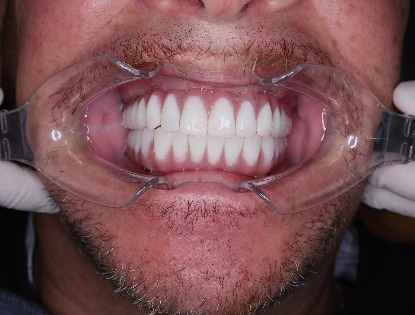
The human adult mouth has 32 teeth, including wisdom teeth. Replacing each tooth with a separate implant sounds logical on paper, but in modern implantology, it’s almost never done.
In most cases:
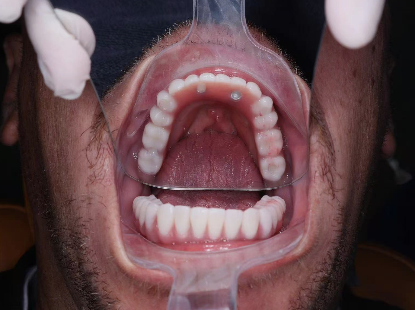
Full-mouth restorations use 8–12 implants per arch
The implants support a fixed bridge or hybrid prosthesis
Bone distribution and bite forces matter more than tooth count
Placing 32 individual implants would:
Increase surgical trauma
Dramatically raise complication risk
Provide no functional advantage
So when clinics quote “32 dental implants prices,” they’re often using shorthand for full-mouth implant treatment, not literal implant count.
Unlike single implants, full-mouth cases are typically priced as bundled treatments. This reflects how clinics manage risk, chair time, and lab coordination.
A typical cost structure includes:
Diagnostic imaging (CBCT scans, bite analysis)
Surgical placement of implants
Temporary prosthesis
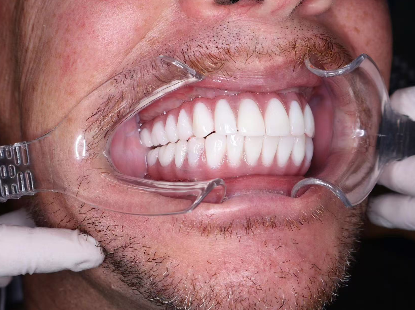
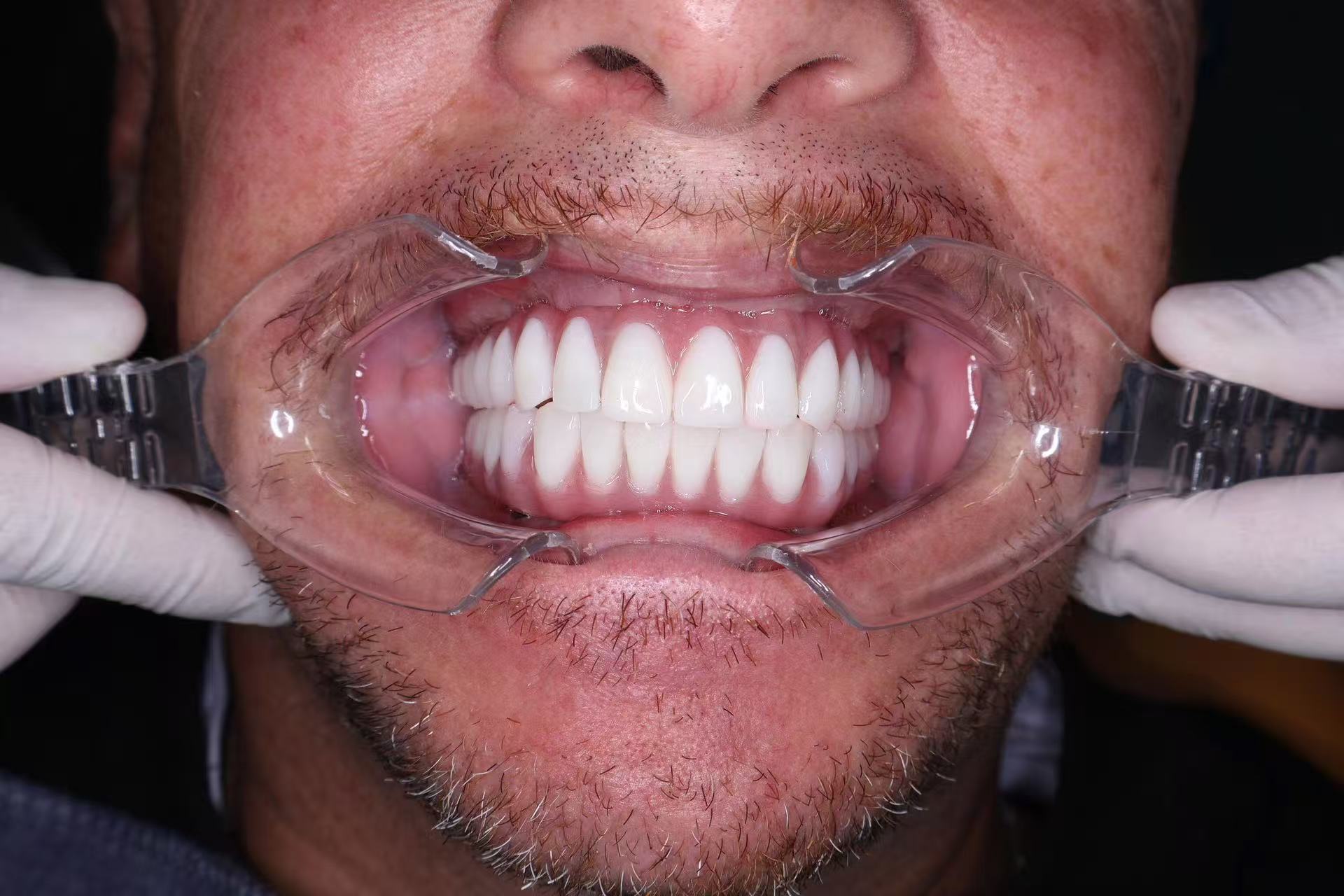
Final prosthetic restoration
Follow-up adjustments
What’s important is that not all packages include the same components, even when the headline price looks similar.
Prices for full-mouth implant treatments vary widely depending on labor costs, regulatory standards, and clinical workflows.
In most cases:
United States: Often the highest pricing due to labor, insurance structure, and malpractice costs
Australia / Western Europe: Slightly lower than the US but still premium-tier
Eastern Europe / Asia: Lower clinical fees, often bundled with travel
Dental tourism destinations: Lower upfront cost, but higher variability in protocols
The price difference is not only about materials. It reflects how much time is allocated for diagnosis, healing, and follow-up.
Not all implants are priced equally. Premium systems usually offer:
Better long-term data
More prosthetic flexibility
Easier maintenance years later
Lower-cost systems may reduce upfront prices but can limit repair options if something fails.
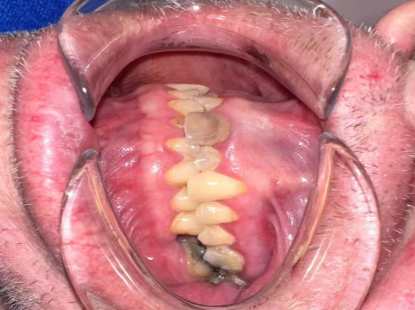
Patients with advanced bone loss often require:
Bone grafts
Sinus lifts
Staged healing
These procedures significantly affect total cost and timeline, yet are often excluded from “starting price” quotes.
The final teeth matter as much as the implants:
Acrylic hybrids are cheaper but wear faster
Zirconia bridges cost more but last longer
Occlusion design affects implant longevity
This is one of the most common areas where patients underestimate cost differences.
Not always. High pricing can reflect:
Overbuilt treatment plans
Excessive implant count
Unnecessary premium materials
What matters more is whether the plan fits your anatomy and bite dynamics.
Sometimes yes, sometimes no. Many clinics abroad follow solid protocols, but:
Follow-up care is harder
Complication management may require travel
Communication gaps can delay decisions
Cost savings should be weighed against logistical risk, not assumed as purely financial wins.
Most full-mouth cases follow this flow:
Comprehensive diagnostics
Treatment planning and digital simulation
Implant placement (often with immediate loading)
Temporary prosthesis phase
Healing and adjustment period
Final prosthetic fabrication
Each step has cost implications, and skipping steps usually increases long-term risk rather than reducing expense.
These terms are often confused with implant count:
All-on-4: Fewer implants, more angled placement
All-on-6: More stability, higher implant cost
Individual implants: Rare for full mouth due to complexity
Understanding these differences helps interpret pricing quotes more accurately.
Full-mouth implants require:
Periodic professional cleaning
Bite adjustments
Possible prosthetic repairs
A lower upfront price may lead to higher lifetime costs if materials wear faster or designs are harder to service.
Before focusing too much on 32 dental implants prices, patients should clarify:
Do I need individual implants or a full-arch solution?
Is bone grafting included or excluded?
What happens if an implant fails?
Who handles long-term maintenance?
These answers matter more than the headline number.
In most cases, 32 dental implants prices are best understood as a range shaped by clinical decisions, not a fixed product cost. The smartest decisions come from understanding how those prices are built, what trade-offs are involved, and which parts of the treatment actually affect long-term outcomes.
For patients who already grasp the basics of implant dentistry, the real question isn’t “How much does it cost?” but “What am I actually buying with this plan?”
Need help? We're here for you.


Get in Touch!