
Need Help?
(+84)824-263-333

Patient:Dental Implants Explained Age:30 Time:2026-01-07 View:1109
Dental implants are often described as “artificial tooth roots,” but that definition barely scratches the surface.
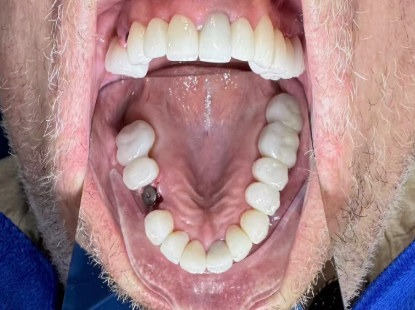
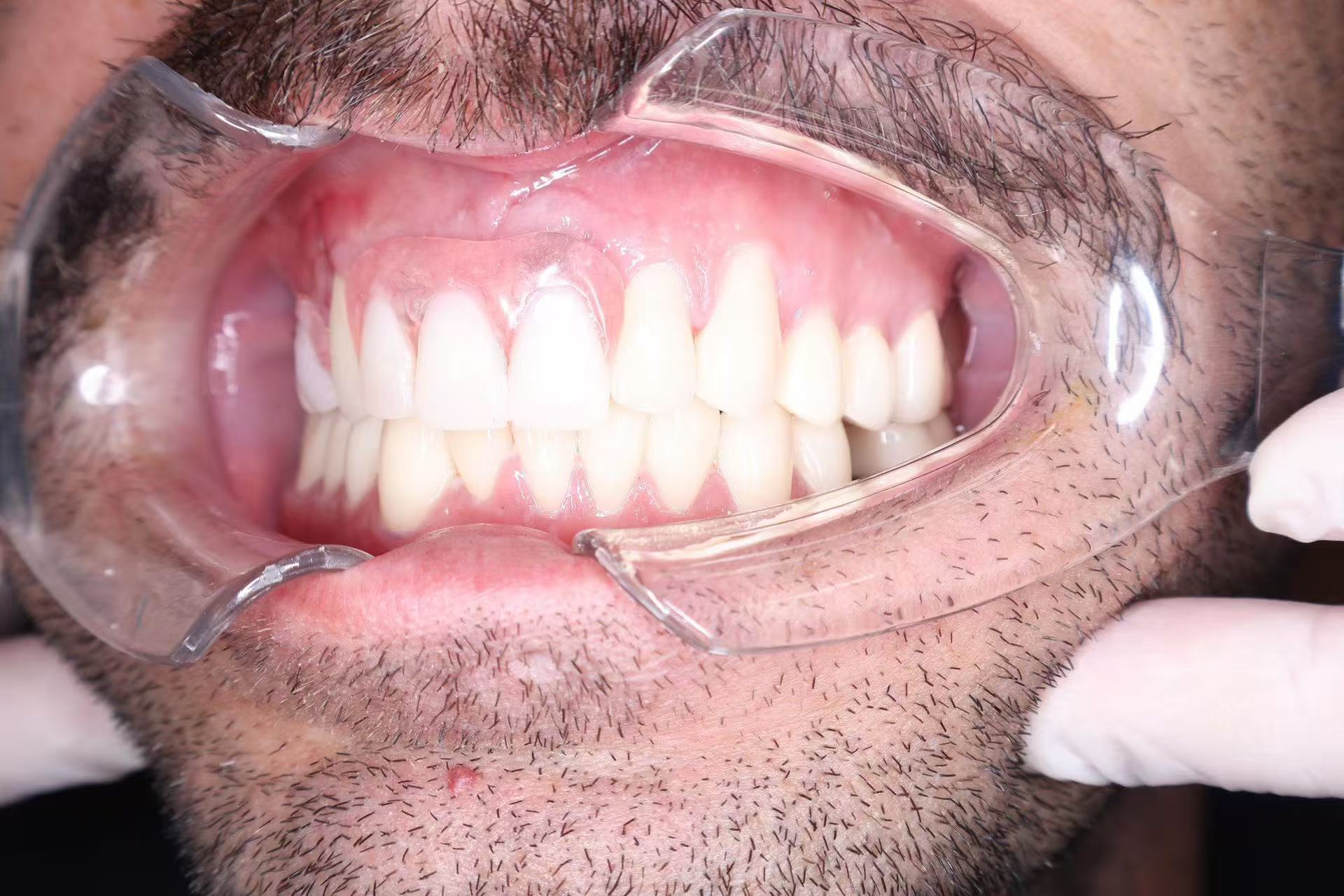
In practical terms, a dental implant is a long-term replacement solution designed to function like a natural tooth — not just in appearance, but in strength, stability, and everyday use. A titanium implant is placed into the jawbone, where it gradually integrates with the bone itself. Once healed, it supports a crown, bridge, or even a full set of teeth.
For patients who have lived with loose dentures, missing teeth, or constant dental repairs, implants are often less about aesthetics and more about regaining normal life — eating, speaking, and smiling without thinking about their teeth.

From a clinical perspective, dental implants solve problems that other tooth replacement options simply cannot.
When a tooth is lost, the jawbone underneath begins to shrink. Implants are the only solution that actively stimulates the bone, helping prevent long-term facial collapse and premature ageing.
Unlike dentures, implants are fixed in place. There’s no slipping, clicking, or need for adhesives. Patients can eat apples, steak, and crunchy foods with confidence.
With proper care, dental implants can last 20 years or more, often outlasting bridges and dentures by a wide margin.
This combination of function, comfort, and durability is why implants are widely regarded as the most complete tooth replacement option available today.
Not all dental implants are the same, and this is where many patients get confused.
Used to replace one missing tooth without affecting neighbouring teeth. Ideal when tooth loss is isolated.
Used when several teeth are missing in a row. Fewer implants support multiple teeth, reducing cost and surgery.
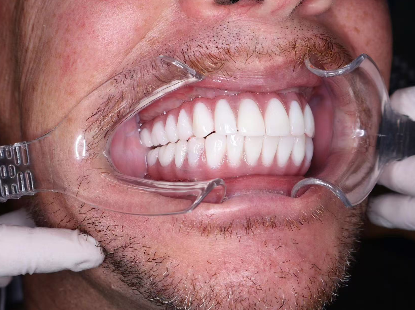
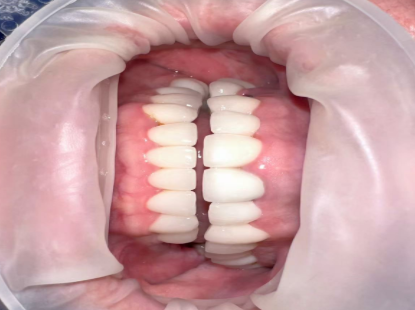
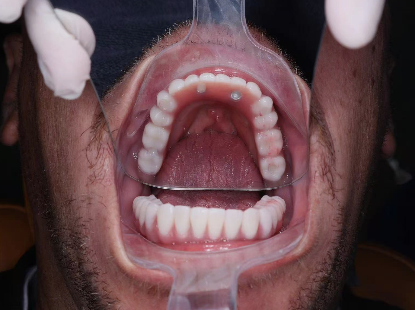
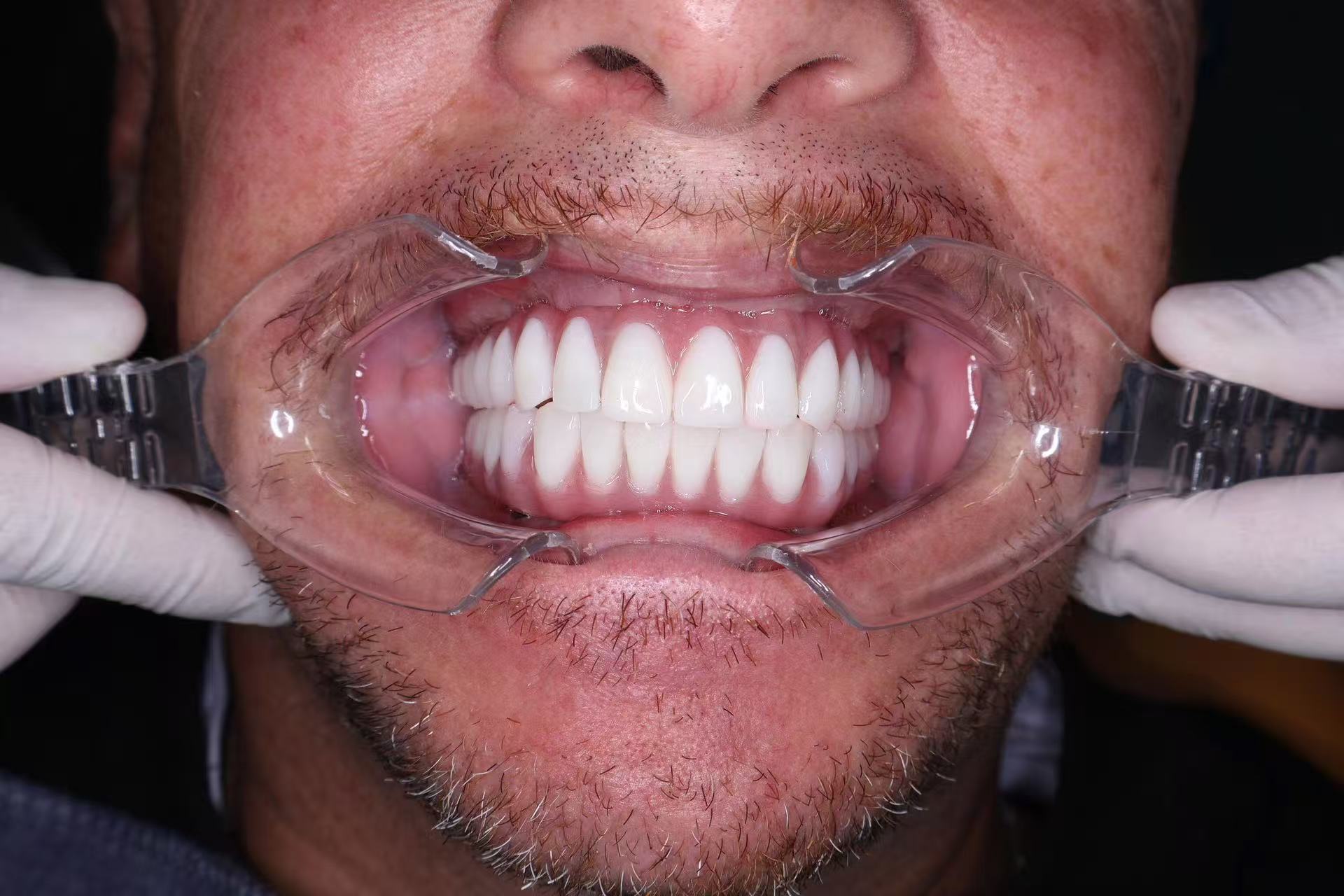
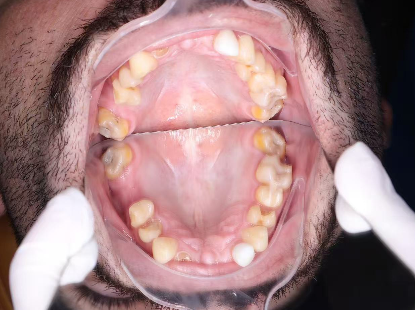
Often referred to as All-on-4 or All-on-6, these systems replace an entire arch of teeth using a small number of implants. They are designed for patients with extensive tooth loss or failing dentures.
The “best” option is not universal — it depends on bone quality, oral health, lifestyle, and long-term expectations.
One of the biggest misconceptions is that implants are done in a single visit. In reality, it’s a planned medical process.
This includes 3D scans, bite analysis, and medical history review. Good planning is often the difference between success and failure.
The implant is surgically placed into the jawbone. This is usually less painful than patients expect.
Over several weeks or months, the implant bonds with the bone — a process called osseointegration.
A custom-made crown, bridge, or full arch is attached, restoring both appearance and function.
Rushing any of these steps increases risk, regardless of where the treatment is done.
Dental implants are widely known as a premium treatment, and cost is often the main barrier.
Prices vary significantly depending on:
Number of implants
Bone grafting requirements
Implant brand and materials
Clinic location and expertise
In countries like Australia, the US, and the UK, a single dental implant can cost several thousand dollars, while full mouth dental implants can reach tens of thousands.
This cost difference is one reason why many patients now explore treatment options overseas — not because implants are “cheap,” but because overheads and pricing structures differ dramatically between countries.
Implant failure is rare, but it does happen — and usually for clear reasons.
Common causes include:
Poor treatment planning
Inexperienced surgeons
Smoking and uncontrolled diabetes
Inadequate oral hygiene
Excessive bite forces
Choosing the right provider and following post-treatment instructions matter far more than the country where the implant is placed.
Lower upfront cost
Require grinding down healthy teeth
Shorter lifespan
Most affordable option
Removable and less stable
Accelerate bone loss over time
While implants cost more initially, many patients find them more cost-effective long term due to durability and reduced ongoing maintenance.
Most healthy adults are suitable candidates, but implants are not automatic.
You may need additional treatment if you:
Have severe bone loss
Smoke heavily
Have uncontrolled medical conditions
A thorough assessment is essential. Ethical providers will explain limitations clearly — not promise implants to everyone.
Dental implants are not a quick fix or a cosmetic luxury. They are a medical investment in long-term oral health and quality of life.
For patients tired of temporary solutions, constant repairs, or living around missing teeth, implants often represent a turning point — not just for their smile, but for their confidence and comfort every day.
The key is not rushing the decision, but understanding the treatment, the risks, and the value behind the price.
Need help? We're here for you.
Get in Touch!