
Need Help?
(+84)966031995

Patient:How Much Does a Full Set of Teeth Implants Cost Age:30 Time:2026-01-28 View:1201
Searching how much does a full set of teeth implants cost usually leads to a confusing range of numbers, often without context. Some sources mention prices that seem implausibly low, while others present figures high enough to stop most people from reading further. What’s usually missing is an explanation of why those numbers differ and how full-mouth implant treatment is actually structured in real clinical practice.
A full set of dental implants is not a single product or procedure. It is a category of treatments with different engineering logic, biological requirements, and long-term cost implications. Understanding that structure is the key to evaluating whether a quote is realistic—and whether it aligns with your situation.
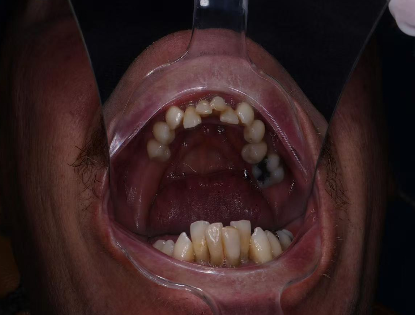
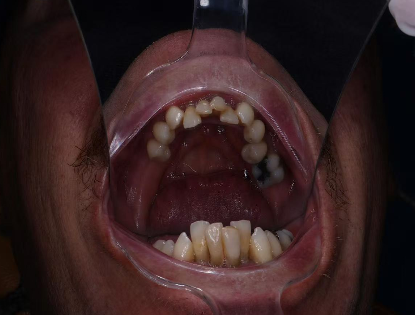
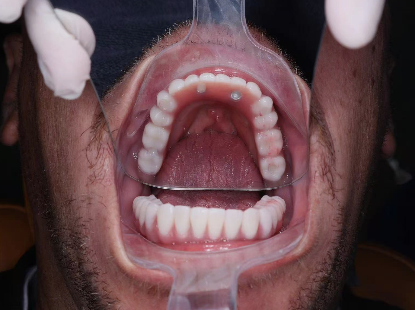
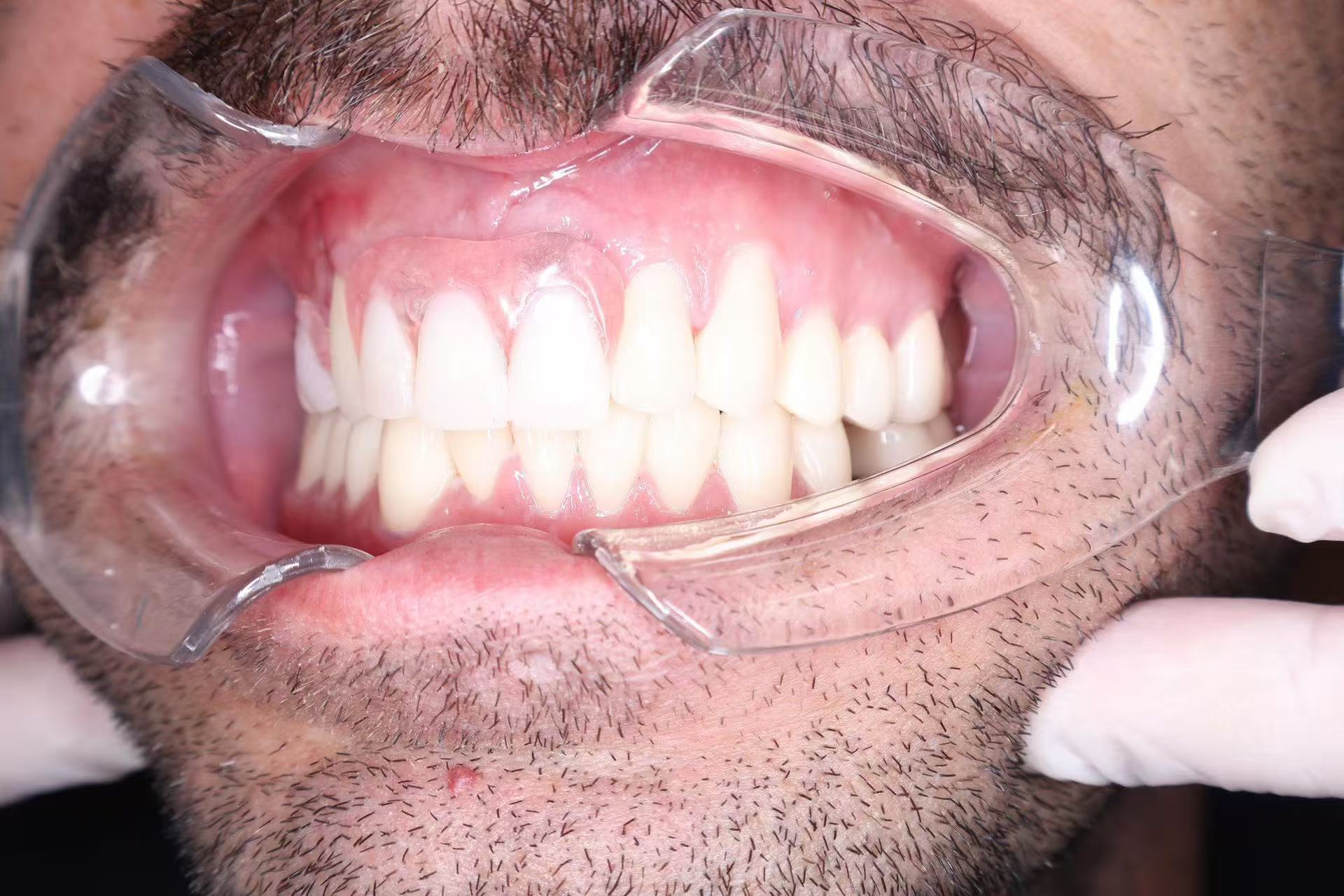
In most cases, people are not referring to replacing every tooth with a separate implant. A full set typically means full-arch implant-supported teeth, where a limited number of implants support an entire upper or lower arch.
This distinction matters because pricing is based on support strategy, not tooth count.
The cost variation exists because clinics are quoting fundamentally different solutions under the same phrase. Some quotes reflect minimal implant counts with removable prosthetics, while others include fixed restorations, bone grafting, and extended follow-up care.
Without knowing which category a price belongs to, comparisons are misleading.
While exact numbers vary by region and provider, full-mouth dental implants commonly fall into these broad ranges:
Implant-retained dentures (removable): lower end of the spectrum
Fixed full-arch solutions (e.g., All-on-4 / All-on-6): mid to higher range
Individual implants for every tooth: highest and least common option
The majority of patients are offered fixed full-arch solutions because they balance stability, cost, and surgical feasibility.
For full-mouth cases, pricing is rarely calculated by multiplying one implant by a number. Instead, clinics price the treatment as a system that includes implants, prosthetics, planning, and surgical coordination.
This is why per-implant comparisons often break down when applied to full sets.
Most full-arch systems use 4 to 6 implants per arch, depending on bone quality and load distribution. More implants generally mean:
Higher surgical cost
More complex planning
Potentially improved load sharing
However, more implants are not always better. Industry practice favors the minimum number required for long-term stability.
The material and design of the final teeth significantly affect cost. Temporary acrylic teeth are common initially, with permanent restorations delivered later using stronger materials.
This staged approach is standard but often misunderstood by patients who assume the first set is the final one.
Bone loss is common in full-mouth cases, especially when teeth have been missing for years. While full-arch systems are designed to minimize grafting, some patients still require preparatory work, which adds cost and time.
All-on-4 relies on angled implants to maximize existing bone, while All-on-6 distributes forces across more support points. The latter is often chosen for patients with higher bite forces or denser bone.
All-on-6 typically costs more due to additional implants and surgical time, but the difference is not always proportional. In some cases, the long-term stability benefits justify the higher upfront expense.
Neither option is universally better. Selection depends on anatomy, function, and long-term expectations rather than budget alone.
Dentures usually cost less initially but require relines, replacements, and ongoing adjustments. Full-mouth implants require higher initial investment but tend to stabilize costs after restoration.
Implants help preserve jawbone, which can reduce future complications. Dentures do not, and bone loss can lead to fit problems and additional corrective procedures.
This long-term perspective often changes how “cost” is evaluated.
Lower prices often reflect reduced scope—fewer follow-ups, lower-cost materials, or limited contingency planning. These differences may not be obvious until complications arise.
Many quotes exclude imaging, anesthesia, provisional restorations, or long-term maintenance. A comprehensive estimate should clearly state what is included at each stage.
Age alone rarely drives pricing. Bone quality, oral health history, and functional demands matter far more.
This stage includes imaging, bite analysis, and prosthetic design. It is where many cost differences originate, based on how much planning is done upfront.
Implants are placed, often with a temporary prosthesis. Healing timelines vary, and conservative pacing is common in complex cases.
Permanent teeth are delivered once integration is confirmed. After this phase, ongoing costs typically decrease significantly.
Costs reflect more than labor. Regulatory standards, lab fees, and clinical protocols differ widely between regions.
Consistency of process, clarity of scope, and long-term support often matter more than location alone when comparing prices.
A full set of implants is usually appropriate when:
Most or all teeth are missing or failing
Dentures are unstable or uncomfortable
Long-term function is a priority
Patients with limited tooth loss may be better served by partial solutions.
Before committing, it helps to clarify:
How many implants are planned and why
What materials are used for temporary vs final teeth
Which services are included in the quoted cost
How complications or adjustments are handled
These details determine whether a price reflects a complete solution or only part of one.
Need help? We're here for you.
Get in Touch!