
Need Help?
(+84)966031995

Patient:I Want All My Teeth Removed and Replaced Age:30 Time:2026-01-20 View:1156
Removing all teeth is not a cosmetic shortcut.
It is a medical decision with lifelong implications.
This process typically involves:
Extracting remaining natural teeth
Allowing tissues to heal or stabilizing them immediately
Replacing teeth with a removable or fixed solution designed to restore function and appearance
A responsible dental team will never recommend this lightly.
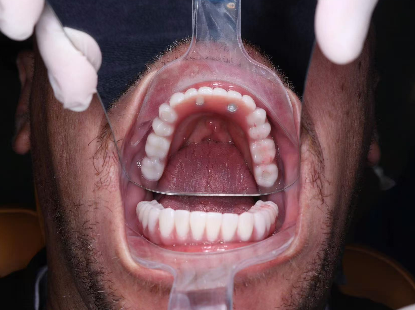
When it is recommended, it’s usually because keeping the remaining teeth would lead to:
Ongoing infection
Structural instability
Repeated treatment failures
Declining oral and general health
The goal is not just “new teeth.”
The goal is a stable, predictable solution that stops the cycle of problems.
Some mouths reach a point where:
Gum disease continues despite treatment
Teeth loosen or fracture repeatedly
Infections return after root canals or crowns
At this stage, treatments become reactive rather than restorative.
Replacing everything may offer:
A clean biological reset
Better long-term stability
Fewer emergencies
Many patients arrive after years of:
Bridges that failed
Dentures that never fit properly
Implants placed without proper planning
The frustration is not just physical—it’s emotional.
Full-mouth replacement becomes appealing because it promises one comprehensive plan instead of endless fixes.
This is often the turning point.
Patients say things like:
“I avoid social situations.”
“I can’t eat comfortably.”
“I don’t recognize my smile anymore.”
Replacing all teeth is sometimes less about dentistry—and more about getting life back.
Dentures can restore appearance quickly and are still widely used.
However, they rely on:
Gum support
Daily removal
Adhesives in some cases
They may work well for certain patients, but they do not stop bone loss and often require ongoing adjustments.
Implants anchor replacement teeth to the jawbone, offering:
Improved stability
More natural chewing
Better long-term oral structure support
These solutions require careful planning, surgical precision, and long-term maintenance.
These are non-removable teeth supported by implants and designed to function like natural teeth.
When done properly, they offer:
High stability
Natural aesthetics
Confidence in daily life
However, success depends heavily on:
Surgeon experience
Prosthetic design
Bite planning
Aftercare and follow-up
There is no universal “best” option—only the best option for your anatomy, health, and goals.
This part is often ignored—and it shouldn’t be.
Even when teeth are damaged, they are still your teeth.
Patients may experience:
Fear
Grief
Anxiety about identity and appearance
A good dental team acknowledges this.
They explain, listen, and never rush the decision.
Feeling emotionally ready is just as important as being clinically suitable.
Ethical professionals look at:
Bone quality and volume
Gum health
Bite forces
Medical history
Long-term prognosis of existing teeth
If some teeth can be predictably saved, they should be.
Full-mouth replacement is recommended only when it provides a better long-term outcome than saving compromised teeth.
Replacing all teeth is not “set and forget.”
Patients should understand:
Healing takes time
Adjustments may be needed
Oral hygiene remains essential
Long-term follow-up matters
The biggest risk is choosing speed over planning.
A rushed approach may look good initially—but problems often appear later.
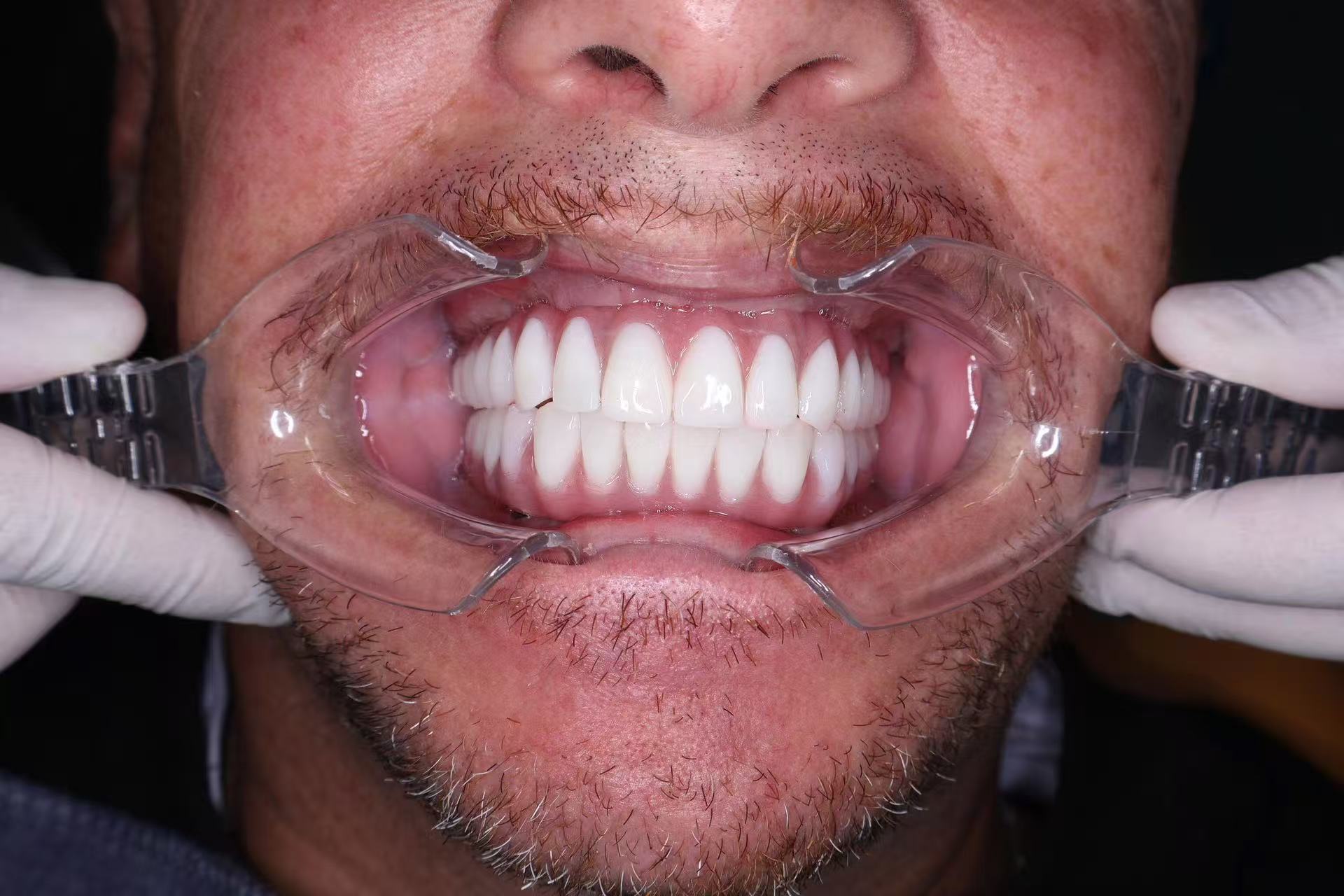
A successful full-mouth replacement is not just about appearance.
It means:
You eat without fear
You speak clearly
You smile naturally
You stop thinking about your teeth every day
Most importantly, it means predictability—knowing your dental situation is stable.
Do not choose based on:
Lowest offer
Fastest timeline
Marketing photos alone
Instead, look for:
Clear explanations
Realistic expectations
Documented experience
Long-term support
A team that treats this as a medical partnership, not a transaction
The right provider will help you decide whether to proceed—not push you to do so.
If you’re thinking, “I want all my teeth removed and replaced,”
you’re not alone—and you’re not wrong for asking.
But the best decision comes from:
Understanding your options
Respecting both medical and emotional factors
Choosing experience over promises
Full-mouth replacement can be life-changing—but only when it’s done for the right reasons, in the right way, with the right team.
Need help? We're here for you.
Get in Touch!