
Need Help?
(+84)966031995

Patient:Dental practice - Customized Dental Care Age:30 Time:2026-01-23 View:1069
The phrase “customized dental care” appears frequently in modern dental practice descriptions, yet its meaning is often vague. Patients searching for Dental practice – Customized Dental Care are usually not looking for slogans. They want to understand whether personalized dental treatment is genuinely different from standard care, how it is delivered in real clinical settings, and whether it leads to better outcomes.
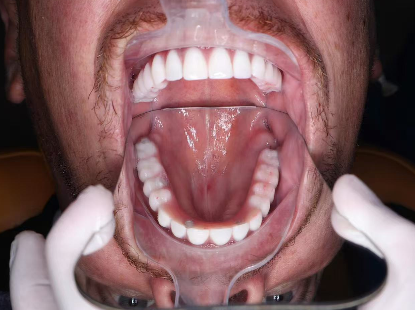
Historically, dental care was largely procedure-driven. Patients presented with a problem, and the solution focused on fixing that isolated issue. Over time, this approach showed limits—especially for patients with recurring issues, complex restorations, or chronic oral health conditions.
Customized dental care emerged as a response to these limitations. Instead of asking, “What treatment does this tooth need?”, modern dental practices increasingly ask, “What does this patient need over time?”
Standard treatment protocols are efficient, but they assume similar risk profiles and healing responses. In practice, patients differ in:
Oral hygiene habits
Bite forces and wear patterns
Medical history and medications
Previous dental work and materials used
Customized dental care exists because applying the same plan to different patients often produces inconsistent results.
Customization begins before treatment. A dental practice offering customized care typically invests more effort in diagnosis, including:
Comprehensive imaging rather than limited X-rays
Bite and occlusion analysis
Reviewing long-term dental history, not just current symptoms
This step is often underestimated by patients, yet it determines whether the treatment plan addresses root causes or just visible damage.
In customized dental care, treatment planning is iterative. Dentists often adjust plans as they learn how a patient responds to early interventions. This approach contrasts with fixed, pre-defined treatment sequences.
In industry practice, this flexibility is common for cases involving implants, full-mouth rehabilitation, or chronic periodontal issues.
Rather than categorizing patients by age or procedure type, customized dental practices assess risk. This may include caries risk, gum disease susceptibility, or mechanical stress from grinding.
This risk profile shapes everything that follows, including material choices and follow-up schedules.
Once risks are understood, dentists design a treatment path rather than a single procedure list. For example, two patients needing crowns may receive different materials, timelines, and preparation methods based on bite force or hygiene consistency.
This explains why pricing and timelines can vary even for similar treatments.
Customized care does not end when treatment is completed. Follow-up frequency, preventive strategies, and future interventions are adapted based on how the patient’s oral health evolves.
In most cases, this reduces the need for repeated corrective work later.
Patients often assume customized care requires advanced technology. While digital tools help, the real difference lies in decision-making logic.
Standard care applies protocols. Customized care applies judgment informed by data and experience.
Customized dental care may involve higher upfront planning costs, but it can reduce long-term expenses by preventing failures and rework. This trade-off is not always obvious at the beginning.
Not every patient requires highly customized care. For routine, low-risk procedures, standardized treatment may be sufficient. Customized dental care shows its value most clearly in complex or long-term cases.
A frequent misconception is that personalized dental treatment involves untested approaches. In reality, customization usually means selecting proven methods more carefully, not inventing new ones.
Some patients assume customized care leads to more treatments. In many cases, the opposite is true. Better planning often reduces unnecessary interventions.
The term is not regulated. One dental practice may use it to describe extended consultations, while another applies it to comprehensive, multi-year treatment planning. Understanding how a practice defines customization matters.
Cases involving implants, bridges, or full-mouth rehabilitation benefit significantly from customization because small planning errors can compound over time.
Patients with systemic health conditions, extensive prior dental work, or bite-related issues often experience better outcomes when care is individualized.
Customized dental care is not limited to advanced procedures. Preventive strategies tailored to individual risk profiles are a core component in many practices.
Many customized dental practices collaborate with specialists. Treatment plans are refined through shared expertise rather than isolated decisions.
Customization relies on records. Practices that track outcomes over years can adjust care more accurately than those focused only on immediate results.
Clear explanation of options, risks, and trade-offs is central. Patients who understand their treatment logic tend to adhere better to maintenance plans.
Customized dental care is not automatically better for every situation. It tends to be most appropriate when:
Dental issues are recurring or complex
Long-term stability matters more than speed
Previous treatments have failed or caused complications
Patients with straightforward needs may not see meaningful differences.
Before committing to care, it helps to understand:
How treatment plans are developed and adjusted
Whether decisions are based on long-term outcomes or immediate fixes
How follow-up and preventive care are handled
These questions reveal far more than marketing language.
Need help? We're here for you.
Get in Touch!