
Need Help?
(+84)966031995

Patient:Dental Implants Age:30 Time:2026-01-30 View:1090
People who search for dental implants are usually past the “what is it” stage. Something irreversible has already happened: a tooth is missing, failing, or about to be removed. At that point, the question is no longer whether dental implants exist, but whether they make sense for you, in your situation, under your constraints.
This is why dental implants deserve a deeper discussion than most online content provides. Implants sit at the intersection of surgery, prosthetics, long-term maintenance, and personal risk tolerance. The outcomes depend less on slogans like “high success rate” and more on process decisions that are rarely explained upfront.
This article approaches dental implants from an industry-aware perspective: how implants are actually planned and placed, why different dentists recommend different approaches, where patients most often misunderstand the trade-offs, and how to think through the decision without marketing noise.
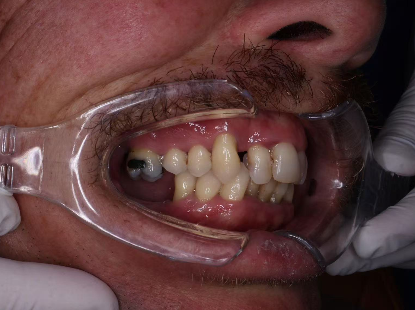
One reason dental implants are so widely recommended is not aesthetics, but biomechanics. When a natural tooth is lost, the jawbone in that area no longer receives mechanical stimulation. Over time, this typically leads to bone resorption.
In practice, this means:
Adjacent teeth may tilt or drift
Bite forces redistribute unevenly
The jawbone volume gradually decreases
Dentists tend to recommend implants because they are currently the only replacement option that transmits force into the bone in a way similar to a natural tooth root. Bridges and dentures can restore appearance and function, but they do not prevent bone loss in the same way.
What is often left unsaid is that bone loss is gradual, not immediate, which creates a decision window—but also a temptation to delay until options become more complex.
Unlike fillings or crowns, dental implants involve:
Surgical placement into bone
A healing period that depends on biology, not scheduling
A prosthetic phase that must align with bite mechanics
Once an implant is placed, reversing or correcting mistakes is significantly more difficult than adjusting a crown or filling. This is why implant dentistry tends to attract stronger opinions among professionals—and stronger consequences for patients.
Although marketing materials often present implants as a single treatment, the real process usually unfolds in stages:
This stage typically includes:
3D imaging (CBCT scans)
Bone density and volume assessment
Evaluation of bite forces and adjacent teeth
In industry practice, planning is where most long-term success is determined. Errors here rarely show up immediately, but often surface years later as bone loss, loosening, or aesthetic issues.
The implant fixture is placed into the jawbone. What varies widely is:
Implant brand and surface design
Placement depth and angle
Whether bone grafting is required
Contrary to popular belief, pain during this phase is usually manageable. The larger variable is healing response, which cannot be fully predicted in advance.
This is the waiting period, often lasting 2–6 months, where bone integrates with the implant surface.
Clinically, this phase explains why timelines differ so much between patients. Healing speed depends on:
Bone quality
Smoking status
Systemic health
Surgical technique
This is also why “fast implant” claims need to be evaluated carefully.
Once the implant is stable, a crown or prosthetic tooth is attached. This phase determines:
Bite comfort
Chewing efficiency
Long-term wear on the implant
Many complications attributed to “implant failure” are actually prosthetic design issues rather than surgical ones.
Dental implants are often described as having success rates above 95%. While this is broadly accurate in controlled conditions, it hides several nuances:
Success is often defined as “implant still present,” not “problem-free”
Minor complications may not be counted as failures
Long-term data varies significantly by patient group
In real-world practice, implants usually succeed—but how well they succeed depends on planning, maintenance, and patient behavior.
Many patients interpret the need for bone grafting as bad news. In reality, it is a common adaptation when bone volume is insufficient.
However, bone grafting:
Increases treatment time
Adds cost and complexity
Introduces additional healing variables
The decision is not whether grafting is “good or bad,” but whether the long-term benefits justify the additional steps in your case.
From the patient side, implants may look similar. From a clinical perspective, differences include:
Surface treatment and osseointegration behavior
Availability of compatible prosthetic components
Long-term manufacturer support
Dentists often choose systems based on training and experience. Problems tend to arise when implants are placed without considering future maintenance or component availability.
The complexity increases non-linearly:
A single implant is relatively predictable
Multiple implants require bite coordination
Full-arch solutions depend heavily on surgical-prosthetic integration
This is why outcomes vary more widely as treatment scope expands.
Dental implants require ongoing care:
Regular hygiene visits
Monitoring of surrounding bone and gum tissue
Bite adjustments over time
Implants are resistant to decay, but not to inflammation or overload. Neglect often leads to peri-implant disease, which can be harder to manage than natural gum disease.
Once implants are in place:
Orthodontic options may be limited
Bite changes are harder to accommodate
Repair options depend on original system choice
This does not make implants a bad choice—but it does mean they should fit into a long-term dental plan, not just a short-term fix.
Are you restoring chewing function, stabilizing other teeth, or improving appearance? Different goals justify different levels of complexity.
Dental implants reward patience. If waiting months for healing feels unacceptable, alternatives may be more suitable.
Ask practical questions:
Who maintains the implant long-term?
What happens if the crown needs replacement?
Is the system commonly supported?
These considerations matter more than brand names or promotional claims.
Dental implants are neither a miracle solution nor an outdated technique. They are a powerful tool when:
Bone conditions are favorable or manageable
Long-term maintenance is realistic
Expectations align with biological limits
They become problematic when rushed, oversold, or treated as purely cosmetic procedures.
For people searching dental implants, the most useful insight is not whether implants “work,” but whether the process, risks, and long-term responsibilities align with their personal situation. That alignment—not the procedure itself—is what ultimately determines satisfaction.
Need help? We're here for you.

Get in Touch!