
Need Help?
(+84)966031995

Patient:- Age:- Time:2026-09-26 View:1044
When replacing a full arch of missing teeth, the difference between a fixed implant bridge and a removable implant overdenture extends beyond whether you can take your teeth out. It also affects chewing, daily cleaning and future adjustments or repairs.
A fixed implant bridge stays in your mouth and is removed by a dentist when needed. A removable implant overdenture uses attachments for retention and can be taken out by the patient for cleaning.
For patients travelling from Australia or New Zealand to Vietnam, this choice also affects treatment visits, review appointments and maintenance after returning home. This guide compares attachment, suitability, daily care and complete costs so you can understand both designs and what a proposed treatment plan needs to include.
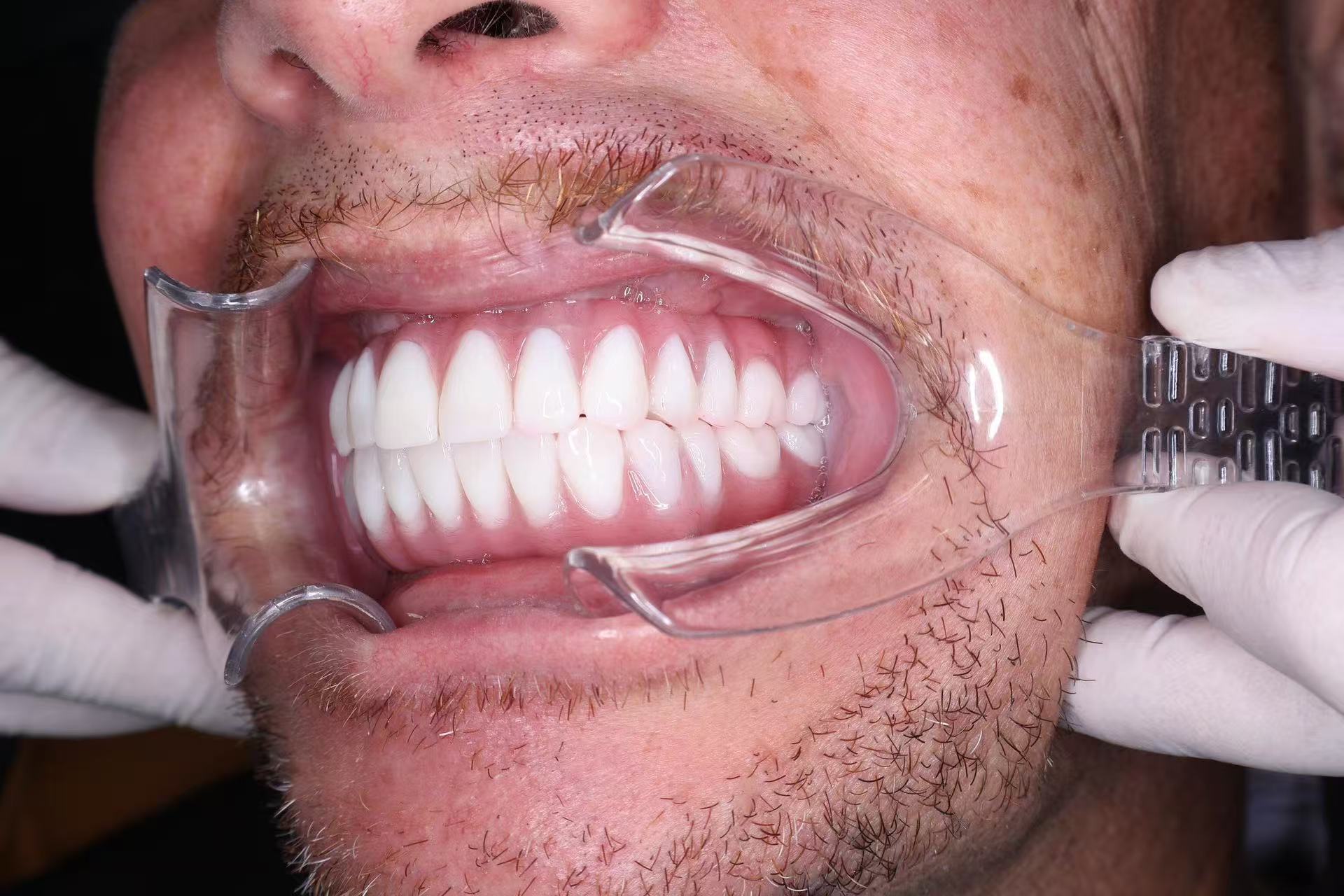
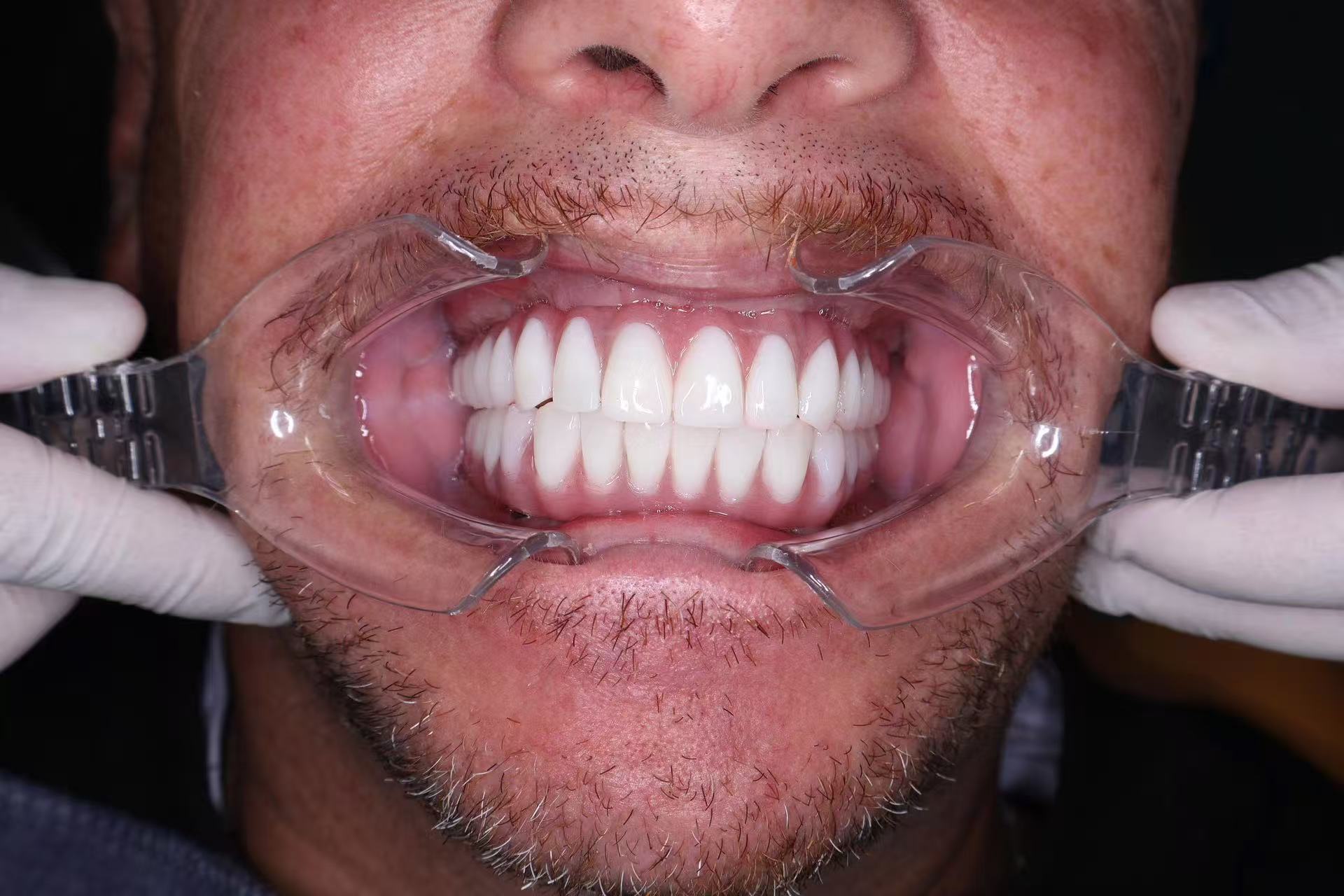
A fixed implant bridge connects to implants through components such as abutments. Full-arch restorations commonly use screw retention. The bridge stays in place while you eat, speak and clean; a dentist removes it when necessary for repairs or other treatment.
All-on-4 and All-on-6 use four or six implants respectively to support a full arch of replacement teeth. Bridge material, framework and shape together affect the bite, appearance and access for cleaning.
VNDentalTravel lists All-on-4 and All-on-6 full-arch options. When reviewing a quote, check the configuration of the implants, abutments and other connecting components, temporary teeth and final fixed bridge, as well as when each restoration will be fitted.
A removable implant overdenture uses implants to improve retention. Common connections include ball attachments, individual stud attachments and bars. During wear, the denture engages with these attachments. For cleaning, the patient removes it in the direction demonstrated by the dentist and cleans the denture and the components in the mouth separately.
Retention and support describe different functions. Retention helps keep the denture in position; support concerns where chewing forces are carried.
Some overdentures gain retention from implants while the gums still carry part of the chewing load. Other designs are supported mainly by the implants. A proposed plan should therefore identify whether the overdenture is implant-retained or fully implant-supported, and specify the attachment type. When discussing this restoration with VNDentalTravel, ask which specific design its partner clinic can assess and provide.
Comparison | Fixed implant bridge | Removable implant overdenture |
Daily removal | Stays in the mouth; removed by a dentist when needed | Can be removed and refitted by the patient |
Common connections | Abutments and restoration screws | Stud, ball or bar attachments |
Chewing support | Implants support the bridge | Implants, gums or both carry the load |
Cleaning | Clean the bridge and beneath it in the mouth | Remove the denture and clean it and the mouth separately |
A fixed implant bridge does not need daily removal, matching the preferences of patients who value teeth that stay in place. Bite contacts, tooth arrangement and bridge shape affect how forces are distributed and how comfortable chewing feels.
An implant overdenture gains stability from its attachments and is generally less likely to slip or become displaced than a conventional complete denture. Designs that still rely partly on gum support may allow some movement during chewing.
Both restoration types need checks of the bite, speech, lip support and smile line during try-in and fitting. The thickness of the restoration and the position of the teeth also affect tongue space, making adjustments at review appointments an important part of treatment.
Fixed bridges need particular attention underneath the bridge and around the implants. Alongside brushing, the space between the gum-coloured restoration and your own gums needs cleaning. The dentist demonstrates interdental brushes or specialist floss suited to the bridge shape. A water flosser can assist with areas that are difficult to reach.
Removing an overdenture makes its cleaning surfaces easier to see and access. The inner surface, attachment areas, connecting components in the mouth and gums all need separate care.
The ability to maintain this routine is an important part of choosing a design. A fixed bridge requires access beneath it; an overdenture requires correct removal, refitting and attachment cleaning. For patients with limited hand dexterity or those who need family assistance, practical cleaning ability belongs in the restoration plan.
Both restoration types need regular reviews of the tissues around the implants, bite and connecting components. Their common maintenance needs differ.
Maintenance item | Fixed implant bridge | Removable implant overdenture |
Connecting components | Check screws and connection stability | Check attachments, retention inserts or bar components |
Restoration | Check teeth, veneering material and framework | Check teeth, denture base and attachment housings |
Common maintenance | Bite adjustments, local repairs and component care | Replace worn retention components, adjust the base and repair the denture |
Access for repairs | Some repairs require a dentist to remove the bridge | Remove the denture for inspection and repair |
Overdenture retention components wear with use and may need replacement when the fit becomes loose. Changes in the gums and supporting tissues may also require base adjustment or relining to improve the fit.
Fixed bridge maintenance may include addressing tooth wear, damaged materials or loose restoration screws. Bridge material and construction affect the repair method and time required.
For patients travelling to Vietnam, arrangements for care at home should be addressed before departure. Keep written records of the implant system, connecting components, restoration material and completed treatment stages, together with clear answers to the following:
· Which adjustments require a return to the treating clinic in Vietnam?
· Which maintenance procedures could be assessed and handled by a dentist in Australia or New Zealand?
· Who pays for replacement parts, repairs and any associated travel?
· Whom should you contact if the bridge loosens or an overdenture loses retention?
Local repair options depend on the system used, parts availability and the receiving dentist's scope of care. Preparing this information before returning home can reduce the time spent finding an appropriate repair service later.
Implant planning considers bone volume and quality, soft tissues, implant positions and the space between the jaws available for the restoration. VNDentalTravel's dental implant treatment overview explains the assessment and treatment process.
A fixed bridge needs room for connecting components, a framework and replacement teeth while preserving cleaning access. A removable overdenture needs space for attachments, a denture base and teeth. Bar attachments have their own space requirements.
When long-term tooth loss is accompanied by bone and soft-tissue loss, the restoration also needs to replace missing gum contours and provide suitable lip support. An overdenture base can serve this purpose, while a fixed bridge can incorporate a gum-coloured section to compensate for lost tissues.
Which option may suit your needs?
Preference or condition | What matters when choosing |
Teeth that stay in place without daily removal | A fixed bridge matches this preference and requires reliable cleaning beneath the bridge |
Direct access to clean the denture and mouth separately | A removable overdenture matches this preference and requires correct removal and refitting |
Significant loss of gum contours and a need for lip support | Compare the design, bulk and appearance of an overdenture base and a fixed bridge's gum-coloured section |
Limited hand dexterity | Assess the practical difficulty of bridge cleaning or attachment removal, including any need for assistance |
Convenient maintenance after returning home | Compare parts availability, local maintenance options and expected repair needs |
Personal preferences identify important everyday needs; clinical assessment determines which designs can meet them. The treating clinician also evaluates bone and soft tissues, restoration space, bite, medical history and long-term maintenance requirements.
Both restoration types generally involve examination, implant planning, implant placement, healing assessment, restoration fabrication and fitting adjustments. The number of trips to Vietnam depends on treatment stages and healing arrangements, rather than simply whether the teeth are fixed or removable.
For each option actually offered in your individual plan, a complete quote should itemise the following:
Cost component | Fixed restoration | Removable restoration |
Implants and surgery | Implant system, quantity, placement and related surgery | Implant system, quantity, placement and related surgery |
Connecting components | Abutments, restoration screws and related parts | Stud, ball or bar attachments and related parts |
Temporary restoration | Temporary teeth and adjustments | Temporary denture and adjustments |
Final restoration | Bridge material, framework, fabrication and fitting | Denture base, teeth, attachment installation and adjustments |
Ongoing maintenance | Cleaning checks, component care and bridge repairs | Retention component replacement, base adjustments and denture repairs |
Travel to Vietnam | Flights, accommodation and transport for each treatment stage | Flights, accommodation and transport for each treatment stage |
A removable design using fewer implants and simpler attachments may have a lower initial cost. Complex bars, additional implants and later attachment replacement can increase the total. Fixed restoration prices relate to the implant system, bridge material, framework and fabrication method.
VNDentalTravel's dental implant price list provides a starting point for published implant procedures and full-arch options. An actual fixed-bridge versus overdenture price difference requires separate written quotes specifying each configuration.
For overseas treatment, the budget also needs to account for the duration of every stay, the temporary restoration stage, the timing of final restoration fitting, and checks and maintenance after returning home.
Considering fixed implant teeth or a removable overdenture? Send VNDentalTravel your available scans, dental records and treatment goals. Ask the team to confirm which designs its partner clinic can assess and provide, then request a written plan covering the restoration, visit schedule, total quoted cost and follow-up arrangements.
Contact VNDentalTravel to start planning your implant restoration

Need help? We're here for you.




Get in Touch!