Need Help?
(+84)966031995

Patient:- Age:- Time:2026-09-27 View:1057
VNDentalTravel's All-on-4 full-arch restoration configurations include Acrylic, Basic Zirconia and Standard Zirconia. With the Dentium implant system, one-jaw Economy Acrylic packages start at A$4,299, while VIP Basic Zirconia packages start at A$6,299. These two packages differ in both restoration configuration and package tier.
For patients travelling from Australia or New Zealand to Vietnam, material choice also affects temporary teeth, later repairs and possible return visits. Comparing the complete treatment plan helps bring initial costs and long-term needs into the same decision.
Acrylic restorations typically have a lower initial cost, and some localised damage is easier to repair. Zirconia offers good wear resistance and colour stability. The final choice also depends on bridge construction, opposing teeth, bite and cleaning access.
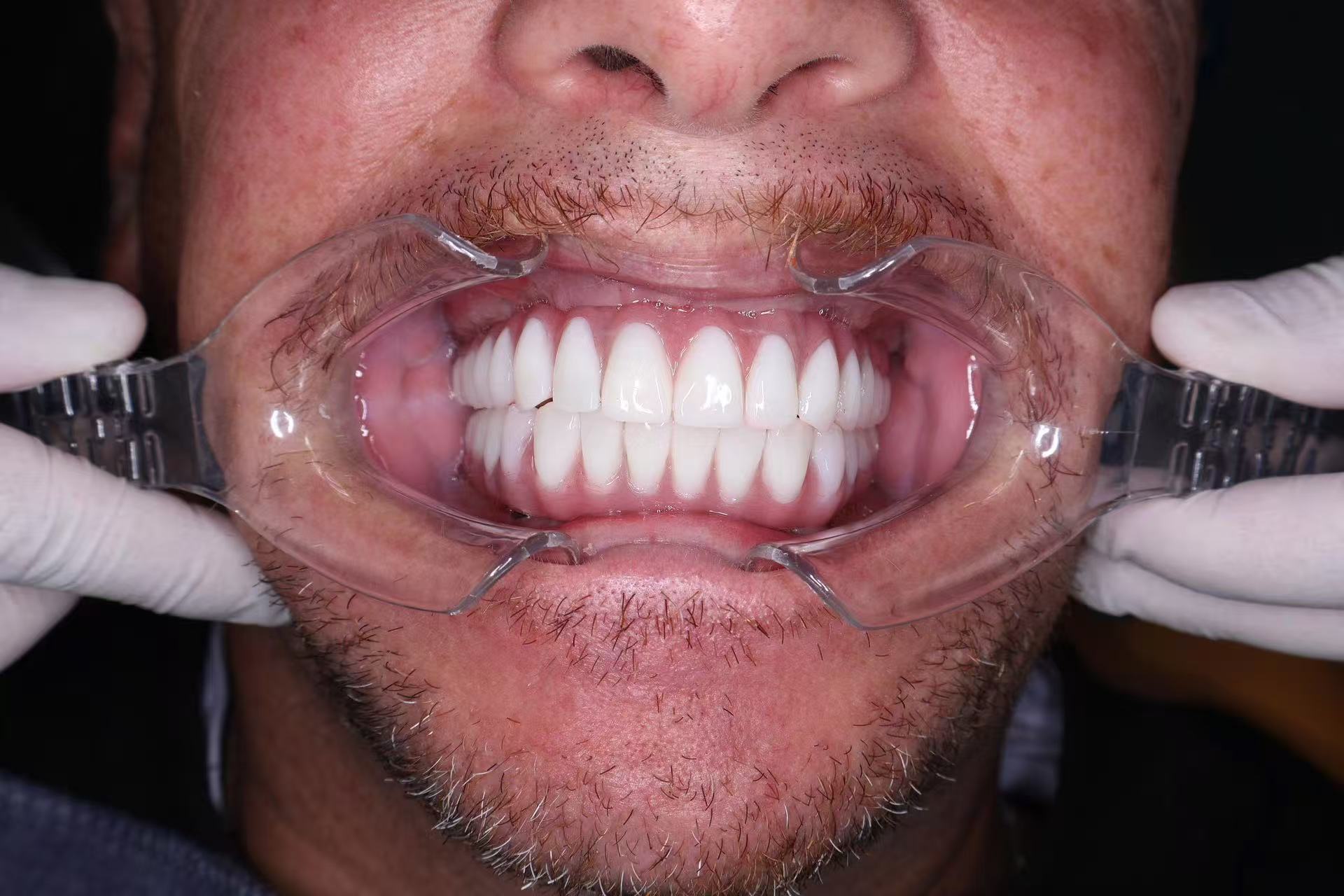
All-on-4 uses four implants to support a full arch of replacement teeth. The replacement arch includes the teeth and the components that connect it to the implants. Depending on the design, it may also include a gum-coloured section and a supporting framework.
A final acrylic restoration may combine resin teeth and gum-coloured resin with a supporting framework. Acrylic is also commonly used for temporary restorations, so a quote needs to distinguish temporary from final teeth and specify the framework material.
A zirconia restoration is typically digitally designed and manufactured. It may be monolithic or incorporate veneering porcelain in selected areas to create tooth and gum colour detail.
Comparison | Acrylic bridge | Zirconia bridge |
Main material | Resin teeth and gum-coloured resin | Zirconia body, sometimes with veneering porcelain |
Supporting structure | A final restoration may incorporate a framework | Connecting components and support follow the specific design |
Treatment use | Temporary or final restorations | Mainly final restorations |
Main characteristics | Lighter material; some localised damage is easier to repair | High rigidity and good wear resistance |
A material name does not describe the complete bridge. Framework, connection design and whether the restoration is temporary or final all belong in the proposed plan.
Both materials can create a natural-looking smile through tooth shape, shade and arrangement.
Zirconia offers good colour stability and a smooth surface after appropriate finishing and polishing. Zirconia products differ in translucency, colour layering and strength, so appearance needs to be considered alongside restoration structure.
Acrylic teeth also come in different shapes and shades. The gum-coloured section can be designed around the smile line and lip support. Over time, acrylic is more susceptible to scratches, staining and wear. Polishing, local repairs or replacement teeth can help maintain its appearance.
Try-in appointments assess tooth length, smile line, lip support and speech, bringing the appearance of the restoration together with everyday function.
For the same volume, zirconia is heavier than acrylic. However, the weight of a complete bridge also depends on its framework, thickness and overall dimensions. A material's density alone does not tell you how heavy the finished bridge will feel.
Acrylic is lighter, while zirconia is harder and more rigid. Comfort also relates to bridge bulk, tongue-facing contours, bite height and cleaning space.
The treating clinician assesses whether the opposing arch consists of natural teeth, removable dentures or another implant restoration, together with bite contacts and grinding or clenching habits. For patients who grind or clench at night, assessing the need for a protective bite appliance is also part of planning.
Acrylic teeth are more susceptible to wear over time, which can change tooth shape and bite contacts. Detached teeth and local resin damage are other possible maintenance issues.
Zirconia is more wear-resistant, but veneering porcelain may chip, the body may fracture or connecting components may need attention. Bridge thickness, structural design, opposing teeth and habits all affect long-term performance.
Maintenance observation | Acrylic bridge | Zirconia bridge |
Tooth wear | More likely over time | Generally less wear |
Surface changes | More susceptible to scratches and staining | Good surface stability after appropriate polishing |
Possible damage | Detached teeth, local resin damage or framework problems | Veneer chipping, body fracture or connection problems |
Bite maintenance | Check contact changes caused by wear | Check force distribution and restore smoothness after adjustments |
Reviews assess the bridge, connecting screws, tissues around the implants and bite together. Greater wear resistance does not remove the need for maintenance.
Some localised repairs to acrylic bridges are relatively straightforward. Depending on construction, an individual tooth can be replaced or an area of resin repaired. Extensive wear or framework damage may require more comprehensive treatment.
Small areas of damaged veneering porcelain on a zirconia restoration can be assessed for polishing or repair. Body fractures, damaged connecting areas or larger defects may require laboratory work, and some restorations need to be remade.
Before returning home after treatment in Vietnam, obtain written details of the implant system, bridge material and connecting components, and clarify:
· Which repairs could be assessed and handled by a dentist at home.
· Which problems require the original laboratory or a return to Vietnam.
· Who pays for replacement parts, laboratory repairs and associated travel.
These arrangements connect material selection with long-term maintenance access, beyond the price of the first treatment visit.
Both fixed bridge types have similar cleaning priorities: beneath the bridge, around the implants and between any gum-coloured restoration section and your own gums.
The treating dental team should demonstrate cleaning methods suited to the final bridge design, including an appropriate soft toothbrush, interdental brushes or specialist floss. A water flosser can assist with areas that are difficult to reach.
Highly abrasive cleaning methods should be avoided on acrylic to reduce scratching. After a bite adjustment, zirconia needs careful polishing by the clinical team to restore a smooth surface.
Daily care and regular reviews help identify difficult-to-clean areas, bite changes and component problems. VNDentalTravel's dental implant treatment overview explains the process from assessment to restoration.
The following are VNDentalTravel's published starting prices for Dentium All-on-4 treatment in one jaw, in Australian dollars. Our All-on-4 and All-on-6 options show the listed restoration configurations.
Package | Listed restoration | Dentium All-on-4, one jaw (from) |
Economy | Acrylic | A$4,299 |
VIP | Basic Zirconia | A$6,299 |
Economy | Standard Zirconia | A$8,399 |
VIP | Standard Zirconia | A$10,399 |
The listed starting prices show two different comparisons.
Within the Economy tier: Acrylic starts at A$4,299 and Standard Zirconia starts at A$8,399, a difference of A$4,100 between those listed configurations.
Across package tiers: VIP Basic Zirconia starts at A$6,299, which is A$2,000 above Economy Acrylic. This comparison changes both the restoration configuration and the package tier.
A$4,100 and A$2,000 are differences between the corresponding package starting prices, rather than standalone material upgrade fees.
Before choosing, compare a written breakdown for the same jaw and implant system covering:
· What Acrylic, Basic Zirconia and Standard Zirconia mean in the proposed final bridge's material and structure.
· Whether temporary teeth and the final restoration are included, and when each will be fitted.
· Which travel, accommodation, try-in, fitting and review services each package covers.
· How later repairs and any return trips to Vietnam are costed.
Our dental treatment and travel service packages explain service-level differences. Premium and Basic service names on that page and VIP and Economy configuration names in the implant price table should each be matched to the specific quote, rather than used interchangeably.
Use the material comparison to prepare questions for your treating clinician about the proposed final bridge design, opposing teeth and likely maintenance. Comparing these clinical factors alongside the complete package helps clarify the costs and practical arrangements for each option.
Ready to plan All-on-4 treatment? Send VNDentalTravel your available dental records, scans and treatment goals to discuss restoration configurations and request a written plan covering treatment stages, package services and follow-up maintenance.

Need help? We're here for you.



Get in Touch!