
Need Help?
(+84)966031995

Patient: Age: Time:2026-11-11 View:1032
A dental implant after tooth extraction can be placed on the day of removal, after several weeks of healing or several months later. The appropriate interval depends on the remaining bone, socket damage, local inflammation and any reconstruction needed.
You do not always need to wait until the socket has fully healed. Equally, a fresh extraction socket is not automatically suitable for an implant. Implant insertion and attachment of a chewing tooth are separate decisions, so same-day placement does not promise a finished crown.

| Timing option | Reference interval after extraction | Reason for choosing this stage |
|---|---|---|
| Immediate placement | Same day | Available bone can anchor the implant in the position required for the replacement tooth. |
| Early placement after soft-tissue healing | About 4–8 weeks | Additional tissue coverage can support wound closure, while local inflammation is reassessed. |
| Early placement after partial bone healing | About 12–16 weeks | Bone filling within the socket may improve conditions for placement. |
| Later placement | Several months or longer | Treatment proceeds around a healed ridge, reconstruction or medical and personal circumstances. |
These are reference intervals, not appointment guarantees. A site with persistent inflammation or insufficient support needs further treatment even after the expected waiting period.
Immediate placement requires enough usable bone to secure the implant without compromising its intended position. The implant must support the planned crown, rather than simply occupy the space left by the root.
The final decision follows examination of the socket after extraction. A missing outer bone wall, an unfavourable defect or inadequate anchorage can change a same-day proposal to a staged plan.
Planning dental implant treatment before extraction allows the replacement position, possible grafting and alternative sequence to be considered together. First, a damaged tooth still needs assessment for preservation.
Immediate placement also does not stop the ridge from changing shape after extraction. Bone or soft-tissue augmentation may still be needed.
Waiting can provide a specific biological benefit rather than simply postpone treatment.
At approximately four to eight weeks, soft-tissue healing can provide more coverage over the extraction site. This may help when closing the wound around an implant and graft would be difficult immediately after removal. Remaining inflammation or exposed defects can still alter the plan.
At approximately twelve to sixteen weeks, partial bone healing may improve support within a socket that initially offered little anchorage. The ridge does not necessarily return to its original width, and residual defects may still require grafting.
The choice between these stages depends on the tissue or bone improvement needed at that particular site.
A graft performed before implantation introduces a healing stage before the implant can be inserted. A smaller graft performed alongside placement does not create that same separate pre-implant interval.
Socket preservation aims to reduce dimensional changes after extraction. It does not guarantee enough bone for every future implant position or eliminate later grafting.
Rebuilding a substantial missing bone wall is a different task from preserving an otherwise intact socket. The extent of reconstruction, grafting method and healing progress influence the next appointment. Waiting longer without appropriate treatment does not reliably rebuild the missing ridge.
There is no universal expiry date for replacing an extracted tooth. An older gap may still accept an implant, but current anatomy determines the treatment required.
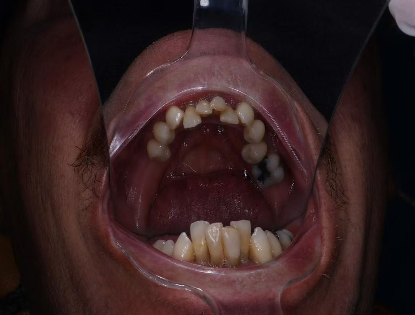
Bone may have narrowed, neighbouring teeth may have tilted, or an opposing tooth may have moved into the space. These changes can create a need for grafting or space correction before the implant crown is made.
For an extraction completed in Australia or New Zealand, a preliminary implant assessment benefits from the extraction date, grafting records, available images and current photographs. Examination in Vietnam then establishes the treatment sequence.
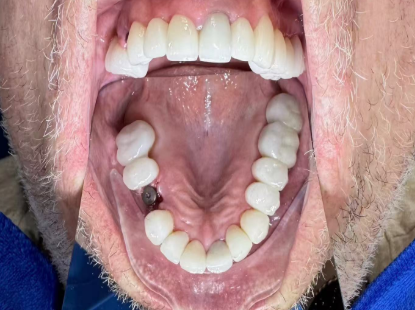
A visible gap may be covered with a removable temporary tooth or a bonded replacement, designed to avoid harmful pressure on the healing site. Some back-tooth gaps can remain unrestored during this interval.
The dental implant treatment timeline should separate healing after extraction or grafting from healing after implant insertion. Crown records, fabrication and delivery follow as their own stage; reaching the implant appointment does not mean the replacement tooth is complete.
Need help? We're here for you.




Get in Touch!