
Need Help?
(+84)966031995

Patient: Age: Time:2026-11-11 View:1028
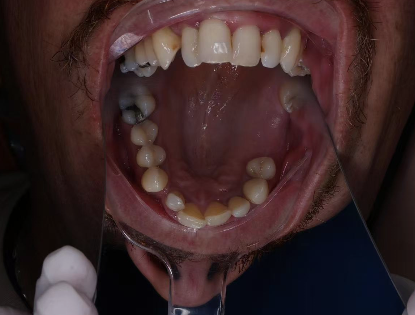
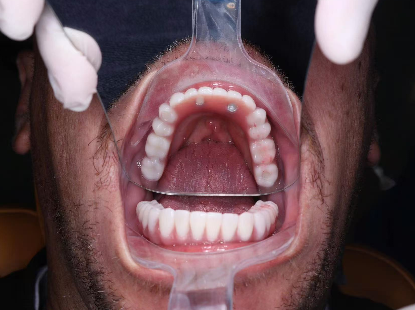
A molar dental implant replaces a missing back tooth with a crown supported by an implant in the jawbone. It can restore a useful chewing contact without using neighbouring teeth as bridge supports. Its value depends on the gap's effect on eating, the opposing teeth and the treatment required to create a stable replacement.
This article concerns first and second molars. Missing wisdom teeth do not usually need replacement.

Replacement becomes more useful when losing the tooth makes chewing on that side difficult or leaves too few back-tooth contacts. If eating remains comfortable and the remaining bite is stable, monitoring may be reasonable.
The position of the gap also influences the decision. A missing first molar between other teeth creates a different situation from a missing second molar at the end of an otherwise functional arch.
| Your situation | Consequence for treatment |
|---|---|
| Chewing is difficult on the affected side | Replacement may restore useful support. |
| The opposing molar is also missing | Both arches need consideration; one crown alone may add little chewing contact. |
| Neighbouring teeth are healthy | An implant avoids preparing them for a conventional bridge. |
| Neighbouring teeth already need extensive restoration | A tooth-supported bridge may be another option. |
Teeth can tilt towards a gap, and an opposing tooth can move into it. These changes are possible, not inevitable reasons for surgery.
A back tooth implant needs bone for the implant and space above it for the connecting component and crown. Planning only the bone position can leave insufficient room for a useful chewing surface.
If an opposing tooth has extended into the gap, the available crown height may be reduced. Orthodontic repositioning may recover space. Limited reshaping requires assessment of the tooth's enamel, underlying structure and health; it is not permission to routinely shorten a healthy tooth.
An existing opposing crown may instead need modification or replacement. These additional steps belong in the treatment plan before implant placement.
For single-tooth implant treatment, the intended crown position guides the implant position. Nearby anatomy then limits the available direction and dimensions.
| Site | Main anatomical concern | Possible effect on the plan |
|---|---|---|
| Upper molar | Limited bone beneath the maxillary sinus | Sinus augmentation, a suitable shorter implant or another replacement approach. |
| Lower molar | Nerve canal and the inner contour of the jaw | Changes to implant length, direction or position to avoid these structures. |
| Either jaw | Insufficient ridge width | Bone augmentation or a revised replacement plan. |
CBCT implant planning provides three-dimensional information about these relationships. A broad molar crown does not automatically require the widest implant: adequate surrounding bone must remain.
Short implants can be appropriate in selected sites, but their use still requires suitable support and a manageable crown design.
The crown needs adequate material thickness, appropriate contacts with the opposing teeth and a contour that permits cleaning. A strong crown material cannot correct an implant position that leaves the restoration poorly supported.
Grinding or clenching adds demands to the restoration. Signs of wear, previous fractures and jaw movements influence crown design and any protective-appliance recommendation.
Contacts with neighbouring teeth also deserve attention. Food repeatedly packing beside the crown may indicate an open contact or unsuitable contour. A newly high bite, movement or chipped surface needs assessment rather than continued heavy chewing on that side.
Placing an implant during extraction does not automatically provide a tooth ready for chewing. The implant may remain without a functional crown while healing progresses.
A hidden molar gap does not always need temporary replacement if the remaining teeth support eating adequately. That does not remove restrictions around the surgical site.
Final crown fabrication follows assessment of implant stability and tissue health. Records, laboratory work and evaluation of the completed crown remain separate appointments.
For patients travelling from Australia or New Zealand, the dental implant treatment timeline should identify any preliminary grafting, the arrangement after implant placement and the later crown appointments. Include these stages in the quotation alongside the implant, connecting component and final crown.

Need help? We're here for you.




Get in Touch!