
Need Help?
(+84)966031995

Patient:Choosing the Right Dentist in Ho Chi Minh City for Implants Age:30 Time:2026-01-29 View:1377
People searching for a "dentist Ho Chi Minh City" are rarely browsing casually. In most cases, they are already facing a concrete decision: whether to get dental treatment in Vietnam, how reliable the dental clinics are, how pricing compares to their home country, and what risks might exist if something goes wrong.
At VN Dental Travel, we understand that for patients from Australia and New Zealand, dental tourism is a significant commitment. This article explains how the dental industry in Ho Chi Minh City (Saigon) actually operates, from the perspective of professionals who understand how dental care systems work across different countries. The goal is to help you assess whether seeking a dentist in Ho Chi Minh City makes sense for your specific situation—and what you should verify before committing to treatments like dental implants, porcelain veneers, or full-mouth restorations.
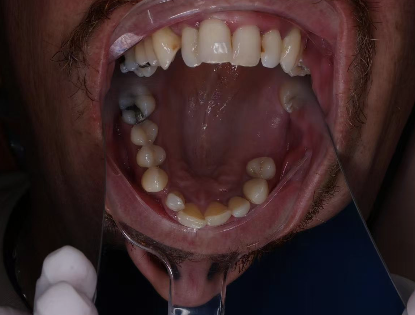
Ho Chi Minh City did not become a premier dental tourism destination by accident. Several structural factors explain why people actively search for dentists here:
•Large Local Population and Expatriate Community: The city supports a robust healthcare infrastructure catering to diverse needs.
•Highly Privatized Dental Sector: Unlike countries where public hospitals dominate oral healthcare, Vietnam's private dental clinics drive innovation and competitive service.
•Significant Price Gaps: Treatments such as All-on-4 dental implants, porcelain veneers, and orthodontics offer substantial savings compared with dental fees in Australia, Europe, and North America.
What sustains search interest is not just cost, but perceived feasibility. Many international patients have completed successful, complex treatments here, making Ho Chi Minh City a repeat consideration rather than a speculative one.
When you search for a dentist in Ho Chi Minh City, you are actually seeing very different business models grouped under the same keyword. Understanding these distinctions is crucial for international patients:
Clinic Type | Target Audience | Pricing | Best Suited For |
Local-Focused Private Clinics | Primarily Vietnamese patients | Lower pricing | Basic treatments (cleanings, fillings, simple extractions) |
International-Oriented Dental Clinics | Expatriates and dental tourists | Higher than local, but significantly lower than Western countries | Dental implants, full-mouth restorations, cosmetic dentistry |
Dentist-Led Boutique Practices | Patients seeking specialized care | Varies, often premium | Highly specialized procedures dependent on the individual dentist's overseas training |
In international-oriented clinics, the first visit is a comprehensive diagnostic session. It usually includes:
•Advanced Diagnostic Imaging: Panoramic X-rays or 3D CBCT scans (Cone Beam Computed Tomography), which are essential for precise implant placement.
•Comprehensive Evaluation: Periodontal (gum health) and bite (occlusion) evaluation.
•Preliminary Treatment Planning: Detailed discussions about materials, timelines, and expected outcomes.
However, not all clinics define “consultation” the same way. Some provide only visual inspections, while others go straight into detailed digital smile design and surgical planning.
Practical Rule of Thumb: If a clinic proposes complex treatment, such as a full-arch implant restoration, without diagnostic imaging like a CBCT scan, that is a signal to slow down and reconsider.
Patients are often confused by multiple options presented under the same diagnosis. These differences usually stem from:
•Material Choices: The use of premium European or American brands (e.g., Straumann, Nobel Biocare) versus Asian manufacturers (e.g., Osstem, Dentium).
•Doctor Preference and Experience: The dentist's familiarity with specific implant systems or restorative materials (like E.max or Zirconia).
•Timeline Compression: Especially relevant for short-term visitors seeking expedited procedures.
Within the dental industry, there is broad agreement that faster timelines increase reliance on the dentist’s experience and precision. Speed itself is not wrong, but it raises the stakes for both the clinician and the patient.
Many online descriptions underplay the necessary follow-up requirements for complex dental work. In practice:
•Dental Implants: Often require multiple visits over several months to allow for osseointegration (bone healing).
•Orthodontics: Depends on long-term, regular adjustments.
•Porcelain Veneers: May need post-placement refinement for perfect bite alignment and aesthetics.
If you do not plan to stay in Vietnam long-term, post-treatment continuity and the possibility of returning for follow-up care should be part of your decision—not an afterthought. VN Dental Travel assists in coordinating these timelines to ensure your treatment plan aligns with your travel schedule.
Lower pricing alone does not indicate value. What actually matters is whether the clinic has compromised on essential quality indicators:
•Sterilization Standards: Adherence to international infection control protocols (e.g., CDC or WHO guidelines).
•Material Traceability: Using genuine, verifiable dental materials and implant fixtures.
•Follow-Up and Adjustment Time: Allocating sufficient clinical time for post-operative care.
In Ho Chi Minh City, extreme price variation is not a benefit—it is information. Large gaps usually reflect real differences in clinical processes, technology investments, and risk exposure.
Many clinics appear professional online, but language presentation does not guarantee clinical rigor. More reliable indicators of a high-quality dental clinic include:
•Dentist Licensing and Training: Verification of continuous education and specialized training, often from international institutions.
•Transparency: Clear communication about the specific materials, implant systems, and dental labs used.
•Evidence-Based Recommendations: A willingness to explain the clinical rationale behind a recommended treatment approach.
A frequent mistake among first-time dental tourists is attempting to compress all treatments into a single, short visit. Industry best practice often suggests:
•Completing Reversible Treatments First: Starting with less invasive procedures.
•Phasing Irreversible Procedures: Delaying complex surgeries until trust, healing responses, and proper planning are established.
This phased approach matters most for patients new to overseas dental care, ensuring safety and long-term success.
Dental care in Vietnam is overwhelmingly private. Public hospitals focus more on education and basic care for the local population and are rarely designed to accommodate the specific needs, timelines, and service expectations of international patients seeking elective or complex dental work.
Are you solving dental pain, restoring oral function (e.g., chewing ability), or improving dental aesthetics (e.g., a smile makeover)? Each goal aligns with different risk levels, required specialties, and clinic types.
Even in highly regulated markets like Australia or New Zealand, dentistry involves biological variables. Cross-border treatment adds layers of complexity:
•Cultural and Systemic Differences: Navigating a different healthcare environment.
•Communication Nuances: Ensuring complex medical information is perfectly understood.
•Logistical Considerations: Managing travel, accommodation, and clinical appointments.
If uncertainty is a major concern, partnering with a dedicated facilitator like VN Dental Travel can mitigate these risks by providing vetted clinic recommendations and on-the-ground support.
Before committing to a treatment plan, consider:
•What happens if the dental treatment takes longer than expected due to healing delays?
•Whether a local dentist in your home country would be willing to take over maintenance or address complications if needed.
•How revisions or warranty claims would be handled by the Vietnamese clinic.
Sound decisions usually come from thinking through these scenarios in advance and having a clear contingency plan.
Searching for a "Dentist Ho Chi Minh City" is not an answer—it is a starting point. What truly determines successful clinical outcomes is understanding:
•The irreversible nature of major dental procedures.
•The critical role of the dentist's experience, specialization, and the clinic's process quality.
•Your own priorities, budget, and risk tolerance.
Once those factors are clear, the city itself becomes a secondary variable. For patients from Australia and New Zealand, Ho Chi Minh City offers world-class dental care at accessible prices, provided you navigate the market with informed expectations and the right guidance.
Need help? We're here for you.


Get in Touch!