
Need Help?
(+84)966031995

Patient: Age: Time:2026-08-26 View:1075
Active gum disease should be diagnosed and controlled before dental implant surgery. Periodontitis damages the gum attachment and bone supporting natural teeth; placing an implant while infection and inflammation remain active can make healing and long-term maintenance less predictable. A history of gum disease does not automatically rule out implants, but it changes the assessment, treatment sequence and follow-up plan.
Dental implants depend on healthy bone and soft tissue. Gingivitis causes inflamed, bleeding gums without the supporting bone loss seen in periodontitis. Periodontitis is more serious because pockets form around teeth and bone can be lost. The dentist must determine whether the condition is active, whether it can be stabilised and whether enough bone will remain after any failing teeth are removed.
For patients considering dental implants in Vietnam, untreated periodontitis is important for another reason: people with a history of the disease have a higher risk of inflammation and bone loss around implants. Treatment before surgery reduces controllable risks, but regular maintenance remains necessary after returning to Australia or New Zealand.
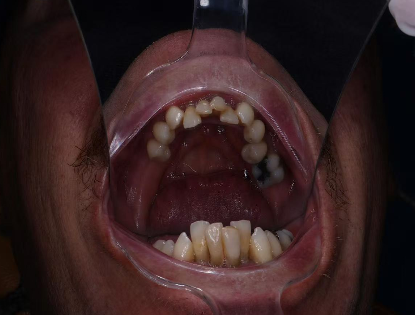
Possible signs include bleeding during brushing, swollen or receding gums, persistent bad breath, pus, loose teeth and changes in the bite. However, periodontitis may progress with little pain, so the absence of symptoms does not confirm that the gums are healthy.
A proper gum health assessment should record probing depths around each tooth, bleeding on probing, recession, mobility and any pus from periodontal pockets. X-rays show the pattern and extent of bone loss, while CBCT may be needed for implant planning. CBCT does not replace gum measurements. The dentist should also review smoking, diabetes control, previous periodontal treatment and the patient’s ability to clean around a future restoration.
Initial gum treatment may include professional cleaning, scaling and root planing below the gumline, improved home-care instruction and management of plaque-retaining dental work. Selected cases require medication or periodontal surgery. The gums should then be reassessed; reduced bleeding and stable pocket measurements are more useful than relying on appearance alone.
Teeth with advanced attachment loss, repeated abscesses, severe mobility or insufficient structure may not be predictable to retain. Extraction can remove infection, but it may also reveal or increase a bone defect. The treatment plan must therefore explain whether implants can be placed immediately, whether the sockets should heal first and whether bone grafting is expected.
When most teeth in an arch are failing, All-on-4 and All-on-6 full-arch options may be assessed. These treatments replace teeth; they do not remove the need to control infection or maintain healthy tissue around the implants.
Mild inflammation may be managed before implant placement within the planned visit. More advanced disease can add deep-cleaning appointments, extractions, healing time, grafting or periodontal surgery. This may change a one-stage proposal into a staged treatment plan and can require an additional trip to Vietnam.
VNDentalTravel’s published dental implant price list covers implant systems and selected related procedures, but it does not establish one universal fee for periodontal treatment. Ask for a written quote separating gum treatment, extractions, grafting, temporary teeth, implants and review appointments.
Implants cannot develop tooth decay, but plaque can cause peri-implant mucositis and, if bone is affected, peri-implantitis. Brush twice daily, clean beneath bridges and between implants with the devices recommended by the clinician, avoid smoking and attend a personalised periodontal maintenance schedule. Bleeding, swelling, discharge, persistent bad taste or movement of the restoration should be assessed promptly.
Before booking flights, send recent X-rays, dental photographs, a medication list and any available periodontal charting. Patients can contact VNDentalTravel for an initial assessment and ask whether gum treatment should begin at home, be completed in Vietnam or be divided between both locations. Final eligibility should be confirmed after an in-person periodontal and implant examination.
Need help? We're here for you.




Get in Touch!