
Need Help?
(+84)966031995

Patient: Age: Time:2026-11-02 View:1001
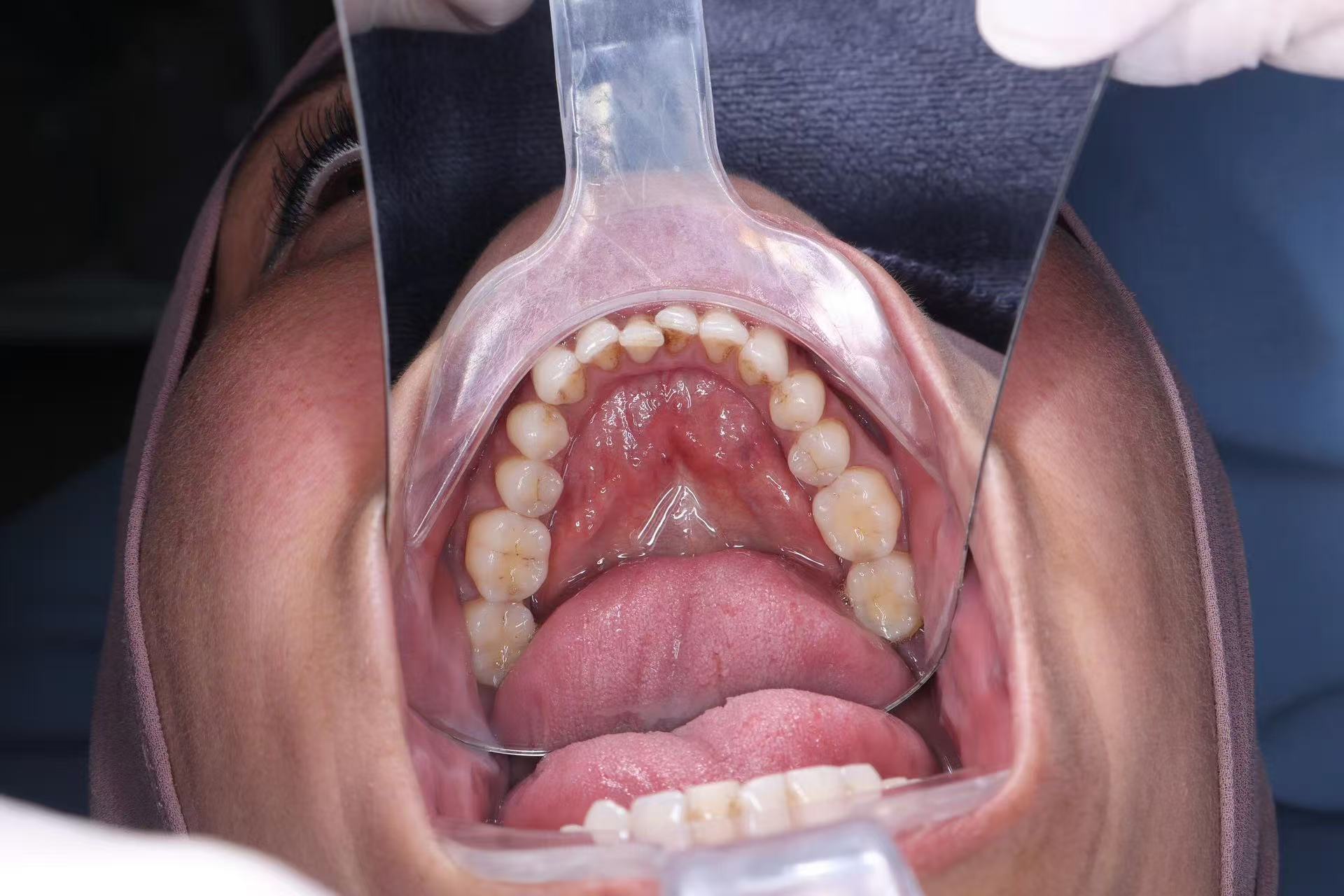
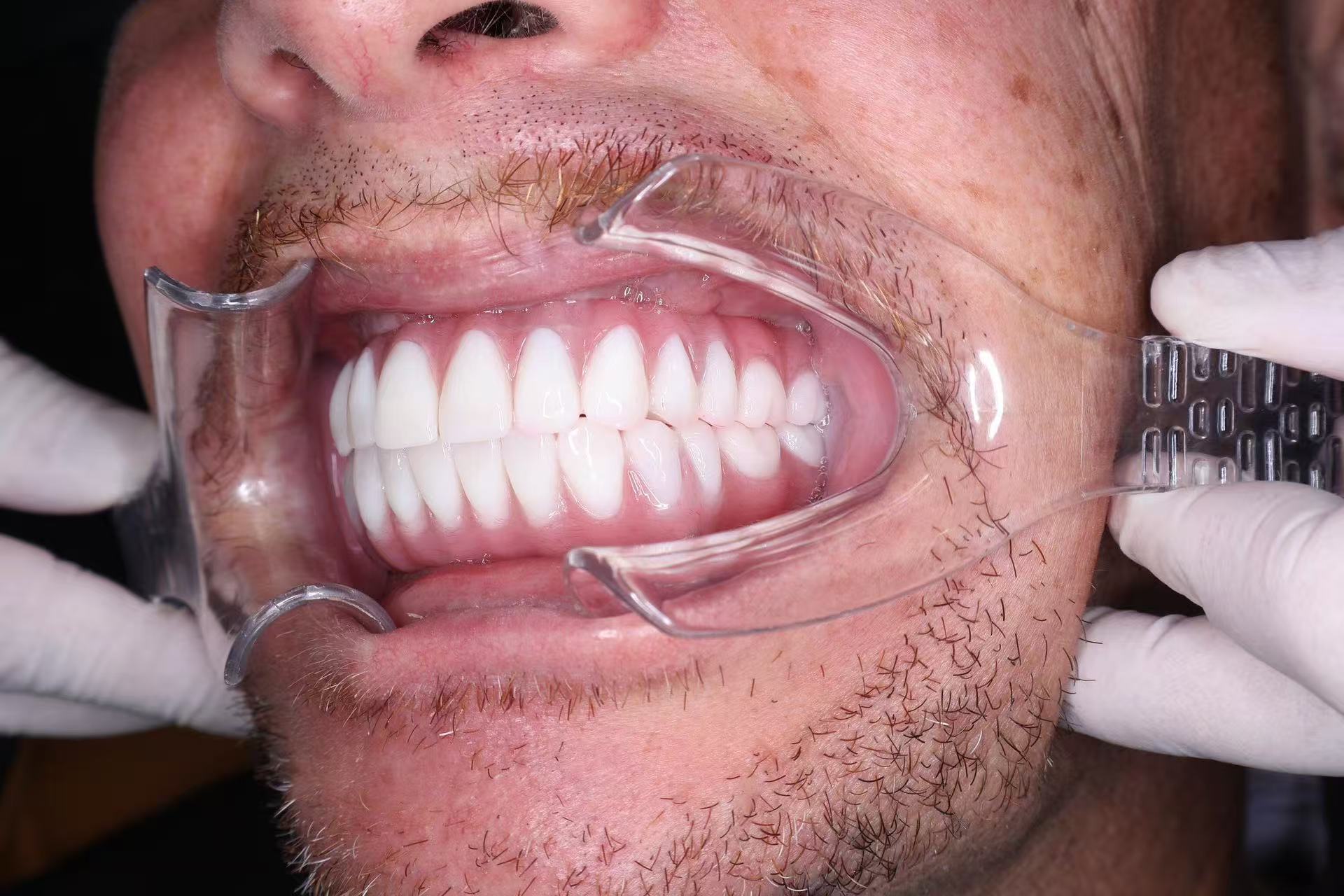
When dental implants support a full row of fixed teeth, the bridge stays in place while you clean it. Brush the teeth and gumline twice a day, then set aside time once a day to clean the underside of the bridge and the accessible surfaces around its supports. The openings you use may be easier to reach from the cheek side in one part of your mouth and from the tongue side in another.
This routine applies once your dentist has shown you how to clean your healed bridge. If you have a fresh surgical wound or are wearing temporary teeth, follow the instructions for your current stage of implant aftercare.

Use a soft manual or powered toothbrush for at least two minutes, morning and evening. Start at the last tooth on one side and follow the outer curve of the bridge to the other end. Work back along the inside, then brush the chewing surfaces. Along the gumline, angle the bristles so their tips touch the edge of the bridge beside the gum. Use gentle pressure.
At the end of the row, turn the brush towards the back of the last tooth. This small surface is easy to pass over when following the curve of the arch. A compact head or single-tuft brush can help if a full-sized head bumps against your cheek before the bristles reach the back corner.
The opening is the way in. The surface you want to clean is the underside of the bridge and, where accessible, the side of the support beside it. Ask your dentist or hygienist to show you one opening in a mirror, including which side to approach it from. Then try the movement yourself so you know what it should feel like at home.
Find the entry angle. Bring the tip of the interdental brush to the opening your hygienist demonstrated. Guide it gently into the space beneath the bridge.
Feel for bristle contact. The bristles should touch the surfaces as you move the brush gently back and forth. If the wire rubs or you need to push hard to get through, stop and review the angle or brush size.
Move to the next opening. The same size may work near the front but be too large farther back. If you use two sizes, note where each belongs and which side gives you the easiest access.
Where your hygienist has shown you a suitable passage, use a floss threader or floss with a stiffened end. Guide the end through the opening until the soft cleaning section lies beneath the bridge. Bring that section gently against the underside and move it along the surface. At an accessible support, follow the route demonstrated for that connection, keeping the floss from pressing down into the gum.
A common difficulty is getting the threader all the way through while the cleaning section hangs loosely in the gap. Once it is threaded, pay attention to where the soft section makes contact. If it repeatedly catches or shreds at the same point, show your hygienist that spot before trying to pull it through again.
A water flosser can help rinse loose food from beneath the bridge, especially after a meal. Follow the instructions for your device and the route recommended for your bridge. Keep the tip at the accessible opening and use a comfortable setting. If food collects in one corner, being able to rinse it out is helpful, but that corner still needs a daily way to clean the bridge surface where plaque collects.
Bring the tool you use at home to your next appointment and show the hygienist exactly where it stops. “The small brush goes in from my cheek but misses the underside behind the last lower tooth” gives them a specific problem to assess. A different entry angle, handle or brush size may help. If the bridge contour itself blocks access, the dentist can assess whether it needs adjustment.
If gentle cleaning repeatedly causes bleeding, or you notice swelling or discharge, arrange a dental assessment promptly. For routine dental implant maintenance, it helps to leave the appointment knowing which tool reaches each difficult spot and having tried that movement yourself.
Need help? We're here for you.



Get in Touch!