
Need Help?
(+84)966031995

Patient: Age: Time:2026-11-18 View:0
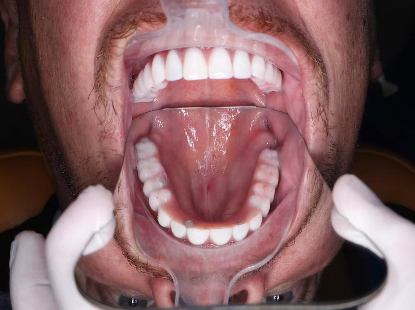
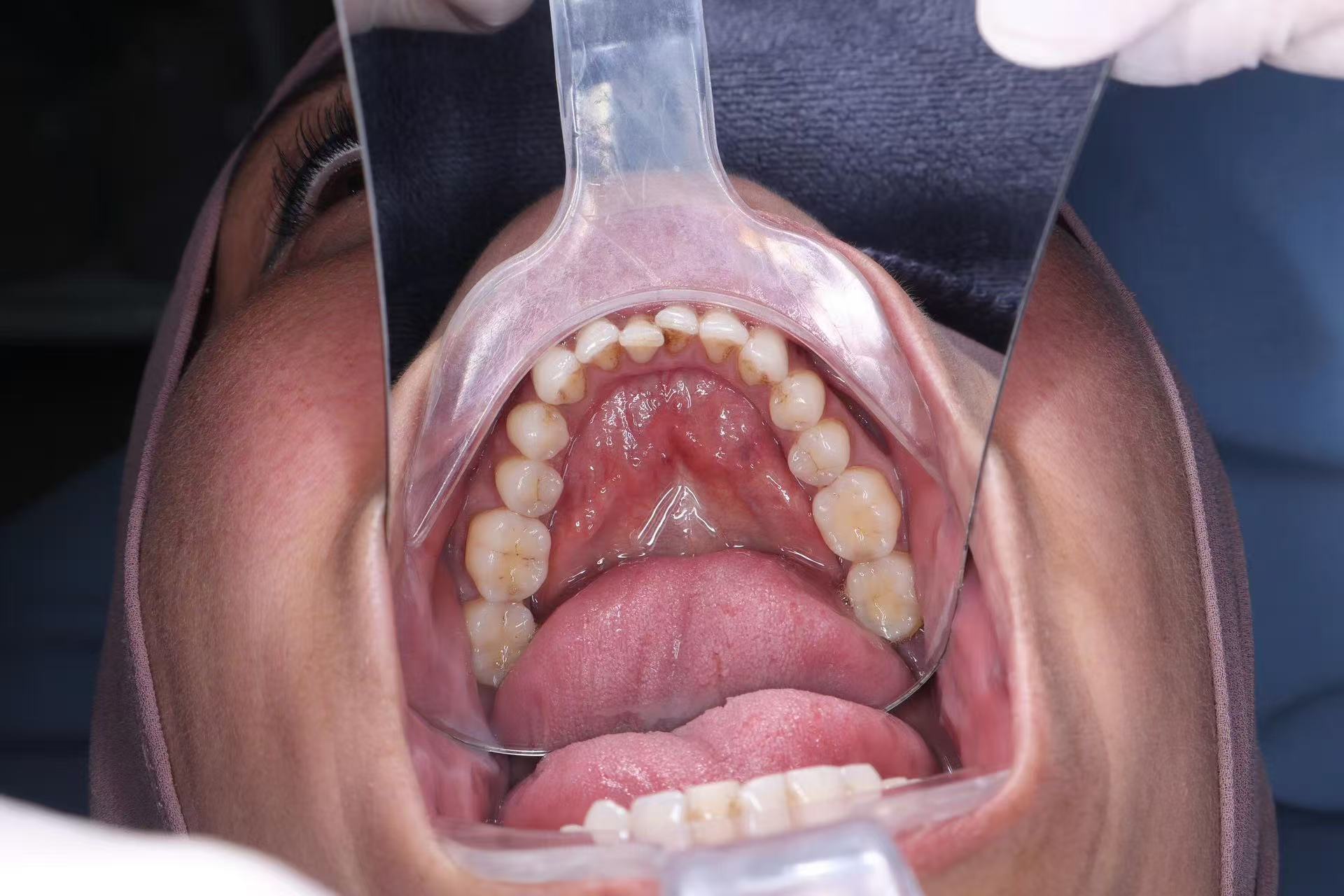
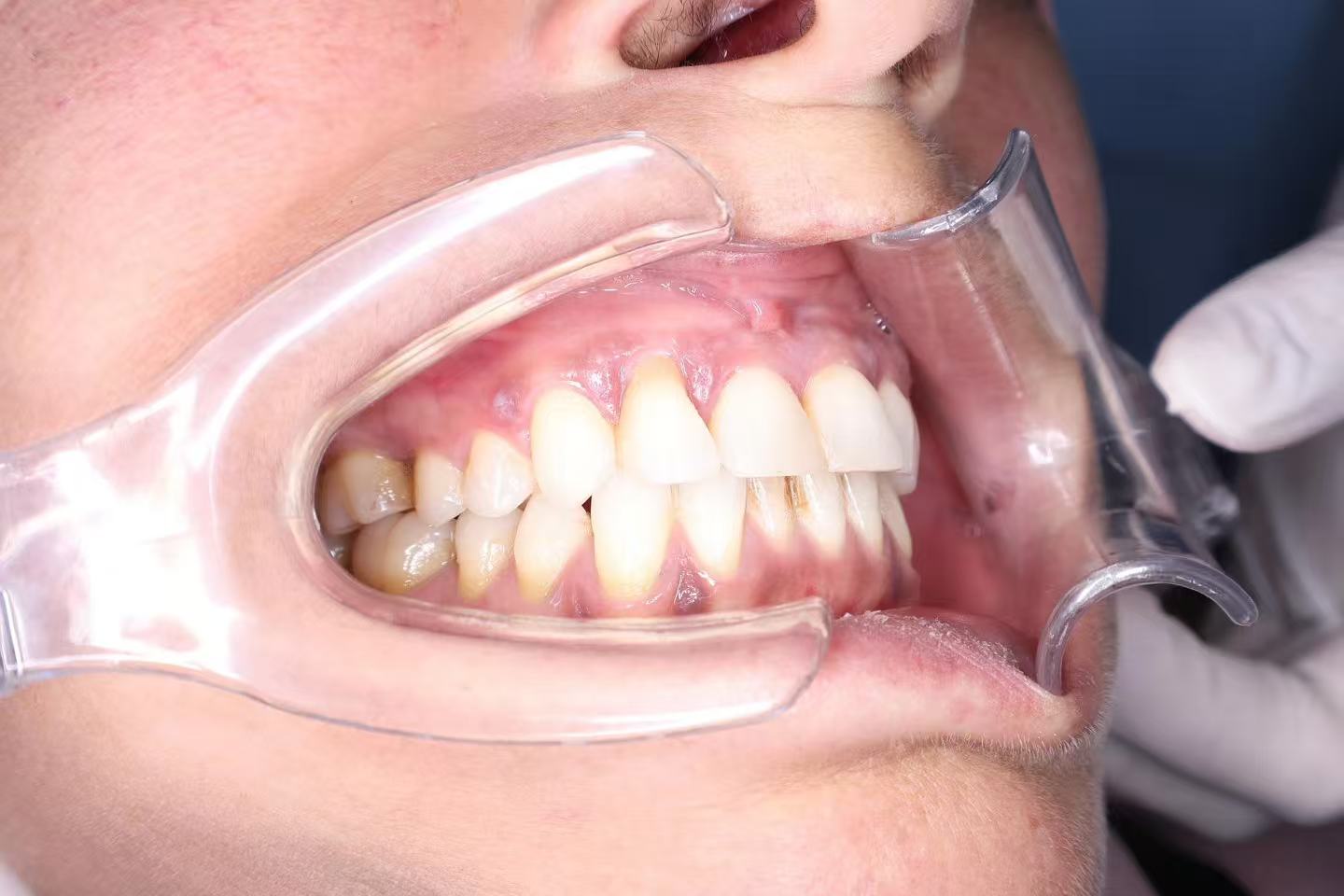
Partial-arch dental implants replace some teeth within an upper or lower arch while suitable natural teeth remain. The term refers to the extent of replacement, not exactly half a jaw or a fixed number of implants.
Your replacement teeth may be fixed crowns or a bridge, or part of a removable partial denture assisted by implants. The choice affects daily cleaning, handling and future repairs, as well as the surgery and support required.

Several missing back teeth do not automatically justify removing healthy front teeth. Remaining teeth are assessed for gum support, decay, structural damage and their contribution to the bite.
Keeping a tooth does not necessarily mean using it to support the replacement. An implant-only bridge can function independently of neighbouring teeth. A removable partial denture may use natural teeth for support or retention.
A tooth with an uncertain outlook may need treatment and reassessment before the design is settled. Its later loss could enlarge the missing area or remove a support that the denture depends on.
Fixed dental implant treatment provides replacement teeth that stay attached during daily use. Individual crowns restore separate positions, while a local bridge connects teeth across a missing section. An implant bridge does not necessarily need an implant beneath every replacement tooth.
Choosing fixed teeth requires suitable implant positions, enough space for the components and accessible cleaning routes. A long gap extending behind the last natural tooth needs a design that supports the planned chewing surfaces.
A removable partial denture may use different implant positions, even when replacing the same missing teeth.
A partial denture can move during chewing when its back section has no natural tooth behind it for support. The base may sink towards the gum or rotate around the remaining supports.
An implant in an appropriate position can provide additional support against downward movement. A retentive attachment can also help resist lifting. Support and retention are related, but they perform different functions.
The denture remains removable. Depending on the design, the implants, natural teeth and gum-covered ridge may share the chewing load. Adding implants does not necessarily eliminate all movement or pressure on the gums.
This option may address instability while preserving suitable teeth. The proposed improvement needs to be considered alongside attachment maintenance and your ability to remove and reseat the denture.
An existing denture cannot automatically be converted by adding implants. Its framework, base, bite and available space need to accommodate the new supports or attachments.
For example, adding an attachment beneath a thin section of the base could leave inadequate material around it. A worn denture with an unsuitable bite may also need more than a local modification. A new denture may be required if the existing structure cannot accommodate the planned changes.
The proposal should identify modification or replacement before implant positions are finalised.
| Practical consideration | Fixed implant restoration | Implant-assisted partial denture |
|---|---|---|
| Daily removal | You do not remove it yourself. | You remove and reinsert it. |
| Cleaning | Surfaces are cleaned in the mouth, including beneath bridge teeth. | Removal provides access to the underside; oral supports and natural teeth also need cleaning. |
| Repairs and servicing | May involve the crown, bridge or connecting components. | May involve attachment inserts, the base, framework or relining. |
| Handling | Cleaning requires access around the restoration. | Attachments require sufficient hand control or reliable assistance. |
Handling needs should be discussed before treatment and practised with the completed restoration at delivery. A removable underside is easier to see, but that alone does not make the design manageable.
Ongoing dental implant maintenance should address the retained teeth, implant tissues and restoration together.
Losing a tooth used to retain a partial denture can change its support arrangement. Some designs permit an additional replacement tooth; others need substantial modification or remaking.
A tooth lost beside an independent implant bridge may create a separate gap requiring its own plan. Extending the existing bridge is not always possible.
Your written proposal should identify retained teeth, any that support the restoration and those with an uncertain prognosis. Future conversion can be considered, but implants positioned for a partial restoration may not support a complete arch. Any later expansion remains conditional on the teeth, tissues and implant arrangement available at that time.
Need help? We're here for you.





Get in Touch!