
Need Help?
(+84)966031995

Patient: Age: Time:2026-05-18 View:1124
A common problem in dental travel begins before the flight is booked. A patient sends an old panoramic X-ray from a local clinic, but the image is dark, angled, or compressed through a messaging app. At first, it seems like a small inconvenience. Later, it can become the reason an implant plan changes after arrival.
The issue is not that the patient did anything wrong. Many dental images lose detail when they are exported as screenshots or photos of a monitor. For implant planning, that missing detail matters. A blurry image may not show bone height clearly, may hide sinus position, or may make it difficult to judge whether a bone graft is likely. When the patient arrives expecting a simple implant visit, the in-person scan may reveal a different situation.
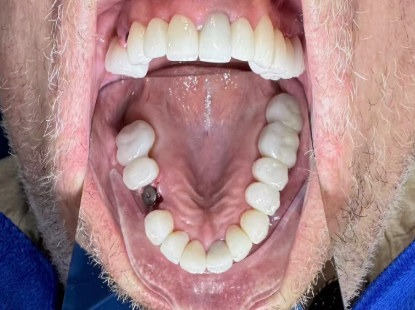
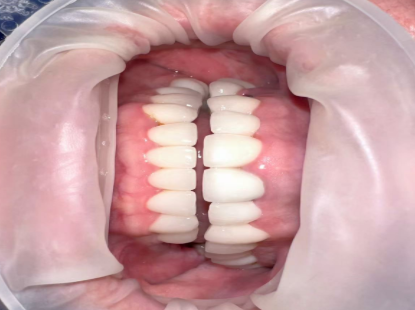
The practical solution is to prepare a “clean record pack” before travel. Instead of sending only one image, patients should ask their local clinic for the original X-ray file, not a phone photo. If possible, they should also include recent intraoral photos, a short note about which tooth was removed, and any history of infection or gum disease. When reviewing VNDentalTravel dental implants, patients can use the implant information as a checklist for what questions to prepare before an online consultation.
The useful rule is simple: if the image is not clear enough to explain the case, it is not clear enough to build a travel schedule around. A better record pack may not guarantee the final plan, but it can reduce avoidable surprises. For patients comparing treatment timing with VNDentalTravel, the goal should be to make the first conversation more specific, not more optimistic.
Need help? We're here for you.




Get in Touch!